
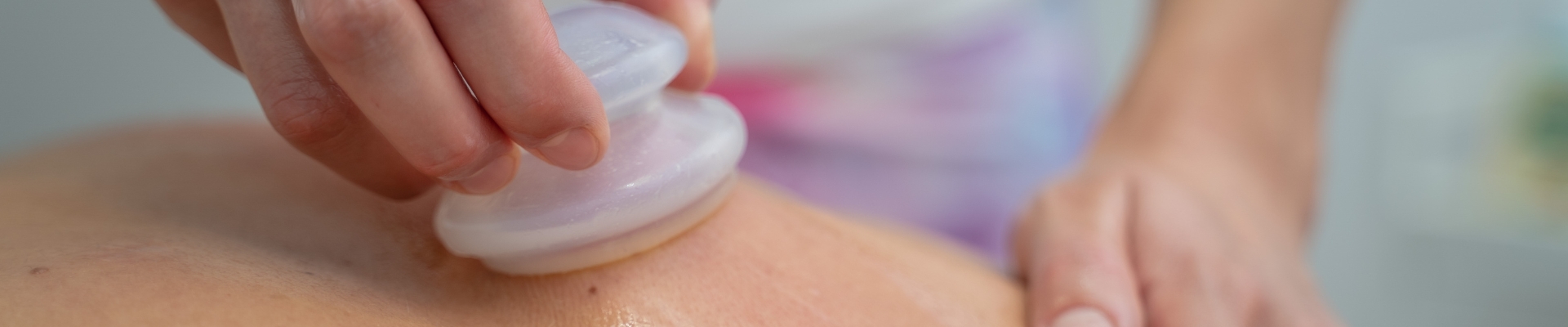

Self-Cupping
Masterclass
Master Self-Cupping for Natural Pain Relief
Learn professional cupping techniques from Dr. Tom Ingegno, DACM, MSOM, LAc — author of "The Cupping Book"
Start Your Free Training
Take Control of Your Pain Relief
Desk Job Tension
Upper back and shoulder pain from hours at the computer
Athletic Recovery
Post-workout soreness and tight muscles holding you back
Chronic Pain
Lower back, neck, or joint pain affecting your daily life
Headaches
Tension headaches and neck stiffness you can't shake
Discover the ancient healing practice that's helped millions — now accessible from your own home.
What You'll Master
Upper Back & Shoulders
Release desk-related tension and tech neck
Lower Back Relief
Address America's most common pain complaint
Neck & Headaches
Stop tension headaches at the source
Hip & IT Band
The runner's secret to mobility
Knee Support
Reduce joint stress and improve function
Foot & Plantar Fasciitis
First step relief for foot pain
Arm & Wrist Pain
Combat repetitive strain injuries
Breathing & Chest
Open up and breathe deeper
Digestive Support
Gut health from the outside in
Athletic Performance
The athlete's edge for recovery
Choose Your Path to Pain Relief
Basic
- Complete Introduction Module
- Upper Back & Shoulder Relief
- Lower Back Pain Protocol
- Basic Safety Guidelines
- Equipment Recommendations
- 5-Part Email Tips Series
Standard
- Everything in Basic PLUS:
- All 10 Core Training Modules
- Video Demonstrations
- Downloadable Protocol PDFs
- Quick Relief Guide
- Cupping Marks Chart
- Private Podcast Feed
- Lifetime Course Access
- 60-Day Money-Back Guarantee
Premium
- Everything in Standard PLUS:
- 5 Advanced Bonus Modules
- Private Facebook Community
- Monthly Live Q&A with Dr. Tom
- Personalized Protocol Review
- Advanced Technique Videos
- 20% Equipment Discount Code
- Priority Email Support
- Cupping Journal Template
- Digital Companion Guide
- Exclusive Webinar Access
What Students Are Saying
"After years of chronic lower back pain, Dr. Tom's self-cupping techniques have been life-changing. I can finally work without discomfort!"
"As a runner, the IT band module alone was worth it. My recovery time has improved dramatically."
"Dr. Tom makes it so approachable and safe. The Premium support has been invaluable for getting my technique just right."
Upper Back & Shoulder Tension Relief
The Modern Desk Worker's Solution
Welcome to Module 1
In this module, you'll learn how to effectively use cupping therapy to relieve upper back and shoulder tension—one of the most common complaints in our modern, desk-bound world. Whether you're dealing with "tech neck," shoulder blade pain, or stress-related tightness, these techniques will provide real relief.
⚠️ Safety First
Before you begin, review these contraindications:
- Do not cup over sunburned, broken, or irritated skin
- Avoid cupping if you're taking blood thinners
- Do not cup if you have active skin infections
- Consult your doctor if you have any concerns
Understanding Upper Back & Shoulder Pain
Why This Area Gets So Tight
The upper trapezius and rhomboid muscles are constantly working to support your head and shoulders. When you spend hours at a computer, these muscles remain in a semi-contracted state, leading to:
- Reduced blood flow to the tissues
- Fascial adhesions that limit movement
- Trigger points that refer pain to the neck and head
- Postural compensations that create more problems
How Cupping Helps
Cupping creates negative pressure that:
- Increases local blood circulation
- Lifts and separates fascial layers
- Releases muscle tension and trigger points
- Promotes healing and reduces inflammation
- Activates the parasympathetic nervous system (relaxation response)
(5 minutes)
Target Areas for This Module
Shows trapezius, rhomboids, and key cupping points
Primary Muscles We're Addressing:
- Upper Trapezius: The muscle that runs from your neck to your shoulder
- Rhomboids: Between your shoulder blades
- Levator Scapulae: Side of the neck to shoulder blade
- Upper Back Paraspinals: Muscles along the spine
Equipment You'll Need
- Silicone cups: 2-4 cups, medium to large size (recommended for beginners)
- Mirror: To check cup placement on your back
- Massage oil or lotion: Optional, for gliding cupping technique
- Timer: To track treatment duration
- Towel: To protect clothing and clean up
💡 Dr. Tom's Equipment Tip
Start with silicone cups for self-treatment. They're safe, easy to control, and don't require fire or pumps. I recommend 2-inch diameter cups for the upper back and shoulders.
(3 minutes)
Self-Cupping Protocol for Upper Back & Shoulders
Preparation
- Choose a comfortable position: sitting upright or standing in front of a mirror
- Remove or adjust clothing to expose your upper back and shoulders
- If using oil, apply a thin layer to the treatment area
- Take 3 deep breaths to relax your shoulders
Cup Placement: Trapezius (Shoulder Top)
- Squeeze the silicone cup to compress it
- Place it on your trapezius muscle (between neck and shoulder)
- Release the squeeze to create suction
- The cup should feel like a firm pull, not painful
- Place one cup on each side
Cup Placement: Between Shoulder Blades
- Reach across your body to place cups on your opposite upper back
- Target the area between your shoulder blade and spine
- This may require practice - use a mirror for guidance
- Place 1-2 cups on each side
Static Treatment
- Duration: 5-10 minutes for first-time users
- Position: Sit comfortably or continue your work
- Breathing: Focus on deep, relaxed breathing
- Movement: Gentle shoulder rolls are okay
Listen to Your Body
If you experience sharp pain, dizziness, or extreme discomfort, remove the cups immediately. Some pulling sensation is normal; pain is not.
Cup Removal
- Gently press the skin next to the cup edge to break the seal
- The cup should release easily
- Never pull a cup straight off - always break the seal first
- Remove cups one at a time
Post-Treatment Care
- Gently massage the treated areas
- Perform the shoulder stretches shown in the video below
- Drink plenty of water
- Avoid intense exercise for 2-3 hours
- Expect circular marks that fade in 3-7 days
(12 minutes)
Advanced Technique: Gliding Cupping
Once you're comfortable with static cupping, try this dynamic approach:
- Apply massage oil or lotion to the treatment area
- Create light to medium suction with your cup
- Slowly glide the cup along the muscle fibers
- Move from the base of the neck toward the shoulder
- Repeat 5-8 strokes per side
- This technique is especially effective for breaking up fascial adhesions
💡 When to Use Gliding vs. Static
Static cupping: Better for targeting specific trigger points and deep tension
Gliding cupping: Better for general tightness and improving circulation over larger areas
You can combine both in one session!
(8 minutes)
Post-Cupping Stretches
Maximize your results with these gentle stretches immediately after treatment:
Demonstrates 4 key stretches
Essential Stretches:
- Neck Side Bend: Gently tilt ear to shoulder (30 seconds each side)
- Shoulder Blade Squeeze: Pull shoulders back, hold 5 seconds (10 reps)
- Cross-Body Shoulder Stretch: Pull arm across chest (30 seconds each)
- Doorway Chest Stretch: Open up the front of shoulders (45 seconds)
Treatment Frequency & Progression
Recommended Schedule:
- Week 1: 2 sessions, 5-7 minutes each
- Week 2: 2-3 sessions, 8-10 minutes each
- Ongoing Maintenance: 2-3 sessions per week, 10-12 minutes
Spacing: Allow at least 48 hours between treatments for the same area.
Signs Your Treatment is Working:
- Increased range of motion in shoulders and neck
- Reduced tension and tightness
- Fewer headaches (if related to shoulder tension)
- Improved posture awareness
- Better sleep quality
Understanding Cupping Marks
Shows different mark colors and what they indicate
What the Colors Mean (Traditional Chinese Medicine Perspective):
- Light pink: Good circulation, healthy tissue
- Bright red: Acute tension or recent injury
- Dark red/purple: Chronic stagnation, poor circulation
- Brown/grayish: Very old stagnation, toxin accumulation
💡 Dr. Tom's Clinical Insight
Don't be alarmed by dark marks on your first few treatments. As circulation improves and tension releases, marks typically become lighter in subsequent sessions. This is a sign your treatment is working!
Troubleshooting Common Issues
Problem: Cups Keep Falling Off
Solutions:
- Ensure skin is clean and dry (no lotion for static cupping)
- Increase the squeeze/compression before placing
- Try a slightly different angle of placement
- Check that your cup isn't damaged or deformed
Problem: Too Much Discomfort
Solutions:
- Reduce suction strength significantly
- Shorten treatment time to 3-5 minutes
- Try a different cup size
- Take a break and try again in 2-3 days
Problem: Can't Reach Certain Areas
Solutions:
- Start with easier-to-reach trapezius muscles
- Use a stick-on cup applicator tool (available online)
- Focus on unilateral treatment (one side at a time)
- Consider asking a partner or friend to help with placement
Problem: No Visible Marks
This is actually fine! Lack of marks doesn't mean lack of effectiveness. Some people naturally mark less than others. If you're feeling relief, the treatment is working.
Combining with Other Therapies
Cupping works wonderfully alongside:
- Heat therapy: Use heating pad BEFORE cupping (not during)
- Massage: Self-massage after cupping enhances results
- Acupressure: Target GB21 point on trapezius
- Ergonomic adjustments: Fix your desk setup to prevent re-injury
- Strengthening exercises: Build supporting muscles (after cupping)
When to See Your Doctor or Acupuncturist
- Pain persists beyond 2 weeks of regular self-treatment
- Numbness or tingling in arms or hands
- Pain that wakes you at night
- Severe headaches or vision changes
- Any new or concerning symptoms
Remember: Self-cupping is a complement to professional care, not a replacement.
Key Takeaways from Module 1
- Upper back and shoulder tension is often caused by prolonged sitting and poor posture
- Cupping increases blood flow and releases fascial restrictions
- Start with 5-7 minute sessions, 2x per week
- Use light to medium suction - more isn't always better
- Marks are normal and will fade in 3-7 days
- Combine cupping with stretching and ergonomic improvements for best results
Your Action Steps
- ✅ Watch all demonstration videos
- ✅ Gather your equipment
- ✅ Practice cup application on your thigh first (if you're nervous)
- ✅ Complete your first upper back treatment this week
- ✅ Track your results in the Cupping Journal (Premium members)
- ✅ Post your questions in the Facebook Group (Premium members)
Lower Back Pain Relief
America's Most Common Complaint
Welcome to Module 2
Lower back pain affects 80% of adults at some point in their lives. Whether you're dealing with chronic aches from prolonged sitting, SI joint dysfunction, or post-exercise soreness, cupping therapy offers effective relief by addressing the muscular and fascial components of lower back pain.
⚠️ Important Safety Guidelines
Do NOT use cupping on your lower back if you:
- Have acute lower back injury or severe pain (see a doctor first)
- Are pregnant or may be pregnant
- Have kidney disease or kidney infections
- Have spinal fractures or severe osteoporosis
- Experience numbness, tingling, or weakness in legs
Seek immediate medical attention if: You have loss of bowel/bladder control, severe leg weakness, or pain radiating down both legs.
Understanding Lower Back Pain
The Root Causes
Most lower back pain is non-specific, meaning it's not caused by serious structural damage but rather by:
- Muscle strain: Overuse or sudden movements
- Fascial restrictions: Tight connective tissue limiting movement
- Postural stress: Prolonged sitting or standing
- SI joint dysfunction: Sacroiliac joint misalignment
- Trigger points: Knots in muscles referring pain
How Cupping Addresses Lower Back Pain
- Decompresses lumbar fascia and reduces pressure on muscles
- Increases blood flow to chronically tight erector spinae muscles
- Releases trigger points in quadratus lumborum (QL) muscles
- Reduces muscle spasm through nervous system relaxation
- Improves mobility in thoracolumbar fascia
(6 minutes)
Target Areas for Lower Back Treatment
Shows lumbar region, SI joints, and cupping placement points
Primary Treatment Zones:
- Erector Spinae: Muscles running along both sides of the spine
- Quadratus Lumborum (QL): Deep muscle connecting ribs to pelvis
- Lumbar Paraspinals: Small muscles supporting vertebrae
- SI Joint Area: Where sacrum meets pelvis (lateral to spine)
- Thoracolumbar Junction: Where mid and lower back meet
Equipment & Setup
- Silicone cups: 4-6 cups, medium to large size
- Positioning aid: Pillow or bolster for support
- Mirror: Full-length if possible
- Massage oil: For gliding technique
- Timer: 7-12 minute sessions
- Yoga mat or comfortable surface: For floor positions
💡 Dr. Tom's Positioning Tip
The hardest part of self-cupping the lower back is reaching the area. I recommend starting in a standing position with a mirror, then transitioning to lying face-down once cups are placed. Some people find it easier to place cups while sitting and leaning forward.
(5 minutes)
Self-Cupping Protocol for Lower Back
Preparation & Positioning
- Stand in front of a full-length mirror or use a handheld mirror
- Wear clothing that allows access to lower back (or remove shirt)
- Warm up the area with gentle twisting and side bends
- Take several deep breaths to relax the muscles
- Identify tender areas by gently pressing along the lower back
First Cup Placement: Paraspinals
- Reach behind with one hand to place cup on the opposite side of spine
- Position cup about 1-2 inches lateral to spine at belt level
- Compress cup, place on skin, and release for suction
- Start with light to medium pressure
- Place matching cup on the other side for symmetry
⚠️ Never Cup Directly on Spine
Always place cups on the muscles BESIDE the spine, never directly on vertebrae or bony prominences.
Additional Cup Placement
- Add 2-4 more cups in tender areas
- Common placements: slightly lower, slightly wider from spine
- Focus on SI joint area if that's where pain radiates
- You can place cups while standing or sitting forward
- Total of 4-6 cups for comprehensive treatment
Static Treatment Position
- Option 1 - Lying Face Down: Most relaxing, place pillow under hips
- Option 2 - Child's Pose: Kneel with forehead on mat, arms extended
- Option 3 - Seated Forward Fold: Sit and lean forward over legs
- Duration: 7-12 minutes for experienced users
- Breathing: Deep belly breaths, allowing lower back to soften
Dynamic Movement (Optional Advanced Technique)
- With cups in place, perform very gentle movements:
- Slow pelvic tilts (arching and flattening lower back)
- Gentle side-to-side swaying
- Cat-cow movements if in child's pose position
- Movement should be slow and pain-free
- 2-3 minutes of gentle motion
Cup Removal & Transition
- Return to a neutral position before removing cups
- Break seal by pressing skin beside cup edge
- Remove cups slowly, one at a time
- Transition slowly from lying to sitting to standing
- Avoid sudden movements immediately after treatment
Post-Treatment Protocol
- Gentle self-massage of treated areas
- Apply warmth (heating pad) for 10-15 minutes if desired
- Perform lower back stretches (shown in video below)
- Drink plenty of water
- Avoid heavy lifting for remainder of day
- Rest if needed - listen to your body
(15 minutes)
Gliding Cupping for Lower Back
This technique is particularly effective for general lower back tightness:
- Apply massage oil liberally to lower back
- Create light suction with a single cup
- Glide cup vertically along erector spinae (parallel to spine)
- Move from upper lumbar region down to sacrum
- Repeat 6-8 strokes on each side
- You can also glide horizontally across lower back
- Use slow, steady pressure - not fast movements
💡 Gliding vs. Static for Lower Back
Use static cupping when: You have specific trigger points or localized pain
Use gliding cupping when: You have general stiffness or want to improve overall circulation
Best approach: Combine both - start with gliding to warm up, finish with static on problem areas
(8 minutes)
Essential Post-Cupping Stretches
These stretches maximize treatment effectiveness and prevent stiffness:
Demonstrates 5 key stretches with proper form
The Lower Back Stretch Sequence:
- Knee-to-Chest Stretch: Lying on back, pull one knee to chest (30 sec each)
- Both Knees to Chest: Hug both knees, rock gently side to side (45 sec)
- Spinal Twist: Lying supine, drop knees to side, arms out (30 sec each side)
- Cat-Cow Stretch: On hands and knees, alternate arching/rounding (10 reps)
- Child's Pose: Sit back on heels, arms extended forward (60 seconds)
Stretching Caution
If any stretch increases pain, stop immediately. Stretching should feel good, not painful. Work within your comfortable range of motion.
Treatment Frequency & Expectations
Recommended Treatment Schedule:
- Acute Pain (recent injury): Wait 48-72 hours, then begin with gentle 5-minute sessions
- Chronic Pain: 2-3 sessions per week, 10-12 minutes each
- Maintenance: 1-2 sessions per week once pain improves
- Recovery Period: Allow 48+ hours between treatments
Timeline for Results:
- Immediate: Increased mobility and temporary pain relief
- After 2-3 sessions: Noticeable reduction in muscle tension
- After 2 weeks: Improved posture awareness and less frequent pain episodes
- After 4-6 weeks: Significant improvement in chronic pain patterns
Important: Cupping works best as part of a comprehensive approach including proper ergonomics, core strengthening, and addressing underlying postural issues.
Troubleshooting Lower Back Cupping
Problem: Can't Reach Lower Back
Solutions:
- Try different positions: standing vs. sitting forward
- Use a cup applicator tool with handle extension
- Start with just 2 cups in easiest-to-reach areas
- Ask a partner or family member to help with placement
- Focus on areas you CAN reach - partial treatment is better than none
Problem: Pain Increases During Treatment
Solutions:
- Remove cups immediately
- You may have cupped too aggressively or too soon after injury
- Wait another 2-3 days before trying again
- Use lighter suction next time
- Consult healthcare provider if pain persists
Problem: Cups Keep Sliding Off
Solutions:
- Ensure lower back is clean and completely dry
- Avoid using oil for static cupping (oil is only for gliding)
- Try larger cups which create more stable suction
- Place cups on flatter areas, avoiding curved surfaces
- Lie down immediately after placement to reduce gravity effect
Problem: Excessive Bruising or Marks
Solutions:
- Reduce suction strength significantly
- Shorten treatment time to 5-7 minutes
- Allow more recovery time between sessions (3-4 days)
- Marks are normal, but if they're causing pain or lasting 10+ days, ease up
Combining Lower Back Cupping with Other Therapies
Complementary Treatments:
- Heat Therapy: Use heating pad 10-15 minutes BEFORE cupping to warm muscles
- Core Strengthening: Perform core exercises 3-4 hours AFTER cupping (not immediately)
- Foam Rolling: Gentle foam rolling before cupping can identify tight spots
- Acupressure: Target BL23 (Kidney point) and BL25 (Large Intestine point) after cupping
- Massage Therapy: Professional massage works well alternated with cupping sessions
💡 Dr. Tom's Integrated Approach
For stubborn lower back pain, I recommend: Monday - cupping, Wednesday - gentle exercise/stretching, Friday - cupping, plus daily core engagement exercises. This approach addresses both the symptoms (tight muscles) and the cause (weak stabilizers).
Special Consideration: SI Joint Dysfunction
If your pain is concentrated near your SI joints (dimples in lower back, just above buttocks), try this modified approach:
- Place cups slightly lateral to sacrum, over QL muscle
- Avoid placing cups directly on sacral bone
- Use medium suction
- Treatment duration: 8-10 minutes
- Follow with gentle SI joint stretches
Shows proper positioning for SI joint issues
When to Seek Professional Help
- Lower back pain persisting beyond 3-4 weeks despite regular self-treatment
- Pain radiating down leg past knee (possible disc involvement)
- Numbness, tingling, or weakness in legs or feet
- Loss of bladder or bowel control (EMERGENCY - seek immediate care)
- Pain that's worse at night or wakes you from sleep
- Unexplained weight loss with back pain
- History of cancer with new back pain
- Fever along with back pain
Remember: Self-cupping is an excellent tool for muscular lower back pain, but serious spinal conditions require professional evaluation and treatment.
Preventing Future Lower Back Pain
Cupping provides relief, but prevention is key:
Lifestyle Modifications:
- Use proper lifting technique (bend knees, not back)
- Take standing/stretching breaks every 30-60 minutes of sitting
- Invest in ergonomic chair with lumbar support
- Sleep on a supportive mattress (replace every 7-10 years)
- Maintain healthy weight to reduce spinal stress
- Stay active with low-impact exercise (swimming, walking, yoga)
Daily Core Engagement:
Perform these simple exercises daily (not on cupping days):
- Pelvic tilts: 10-15 reps
- Modified plank or quadruped holds: 20-30 seconds
- Bird dog exercise: 5-8 reps per side
- Dead bug: 8-10 reps
Key Takeaways from Module 2
- Most lower back pain is muscular and responds well to cupping
- Always place cups beside the spine, never directly on vertebrae
- Forward-leaning positions during treatment enhance effectiveness
- Combine static and gliding techniques for best results
- Post-cupping stretching is essential for maintaining benefits
- Address underlying causes (posture, core weakness) for lasting relief
- Seek professional help if pain radiates down legs or doesn't improve
Your Action Steps
- ✅ Watch all demonstration videos
- ✅ Practice cup placement in front of mirror before full treatment
- ✅ Complete your first lower back treatment this week
- ✅ Perform post-cupping stretches after each session
- ✅ Track your pain levels before and after (use pain scale 1-10)
- ✅ Share your progress in the Facebook Group (Premium members)
- ✅ Schedule follow-up treatment in 2-3 days
Neck Pain & Headache Relief
The Tension Headache Solution
Welcome to Module 3
The cervical-cranial connection is powerful—up to 80% of headaches originate from neck tension. In this module, you'll learn how to use cupping therapy to address cervicogenic headaches, tension headaches, and chronic neck stiffness that plague so many of us in our screen-dominated world.
⚠️ Critical Safety Guidelines for Neck Cupping
Do NOT use cupping on your neck if you:
- Have carotid artery disease or stroke history
- Take blood thinners or have bleeding disorders
- Have cervical spine instability or recent neck injury
- Experience vertigo, dizziness, or vision changes
- Have active thyroid disease or swollen lymph nodes
IMPORTANT: The neck has delicate structures. Always use LIGHT suction and shorter duration (5-8 minutes maximum). Never cup the front of the neck where major blood vessels are located.
Understanding the Neck-Headache Connection
Why Neck Tension Causes Headaches
The cervical spine and skull share neural pathways, meaning:
- Cervicogenic Headaches: Pain that starts in the neck and radiates to the head
- Tension-Type Headaches: Caused by sustained contraction of neck/scalp muscles
- Referred Pain: Trigger points in neck muscles project pain to temples, forehead, behind eyes
- Forward Head Posture: For every inch your head moves forward, it adds 10 pounds of stress to your neck
How Cupping Resolves Neck-Related Headaches
- Releases suboccipital muscles at the base of the skull
- Decompresses cervical paraspinal muscles
- Breaks the pain-spasm-pain cycle
- Improves blood flow to chronically tight tissues
- Activates parasympathetic nervous system (relaxation response)
- Reduces inflammation in neck joints and soft tissues
💡 Dr. Tom's Clinical Insight
In my practice, I've seen cupping eliminate chronic headaches that didn't respond to medication. The key is addressing the neck tension that's causing the problem, not just treating the headache symptoms. When we release the cervical muscles, the headaches often disappear within 2-3 treatments.
(7 minutes)
Target Areas for Neck & Headache Treatment
Shows cervical paraspinals, suboccipital muscles, and upper trapezius
Primary Treatment Zones:
- Suboccipital Muscles: Base of skull where head meets neck (key for headaches)
- Cervical Paraspinals: Muscles along sides of neck vertebrae
- Upper Trapezius: Where neck meets shoulder (review from Module 1)
- Levator Scapulae: Side of neck connecting to shoulder blade
- Sternocleidomastoid (SCM): Front-side of neck (ADVANCED - use extreme caution)
Areas to AVOID
- Front of neck (trachea, carotid arteries, thyroid)
- Directly on cervical vertebrae or spine
- Over swollen lymph nodes
- Any area with visible veins or arteries
Equipment & Setup
- Small to medium silicone cups: 2-4 cups (smaller than used for back)
- Mirror: Essential for safe placement
- Supportive chair or cushion: For comfortable positioning
- Light massage oil: Optional for gentle gliding
- Timer: 5-8 minute sessions (shorter than other areas)
- Warm compress: For pre-treatment muscle relaxation
💡 Why Smaller Cups?
The neck has smaller muscle groups and sensitive structures. Smaller cups (1-1.5 inches) provide more precise treatment and reduce risk of over-cupping delicate tissues.
(6 minutes)
Self-Cupping Protocol for Neck Pain & Headaches
Preparation & Warm-Up
- Apply warm compress to neck for 5-10 minutes before cupping
- Perform gentle neck stretches: side bends, forward bends, rotation
- Sit in comfortable chair with back support
- Use mirror to identify tender areas by gentle palpation
- Take 5 deep breaths to relax shoulders and neck
Cup Placement: Upper Trapezius
- Start here as it's easier to reach and assess your response
- Place small cup on trapezius muscle (where neck meets shoulder)
- Use LIGHT suction - less than you used for back/shoulders
- Cup should feel like gentle pulling, not pressure
- Place one cup on each side for symmetry
Cup Placement: Cervical Paraspinals
- Using mirror, locate muscles beside cervical spine
- Position cup about 1 inch lateral to spine, mid-neck level
- Create light suction and place carefully
- These cups are closer to sensitive structures - be conservative
- Place 1-2 cups per side depending on comfort
⚠️ Red Flag Signs
If you experience dizziness, nausea, numbness, tingling, or vision changes during neck cupping, remove cups immediately and discontinue treatment. These could indicate excessive pressure on delicate structures.
Cup Placement: Suboccipital Region (For Headaches)
- This is THE key area for cervicogenic headaches
- Locate the base of your skull (occiput)
- Place small cup just below skull edge, on muscles (not bone)
- Use the lightest suction possible - this area is very sensitive
- Many people feel immediate headache relief from this placement
Static Treatment Position
- Sit upright with good posture, head in neutral position
- Support your head if needed (don't let it hang forward)
- Duration: 5-8 minutes MAXIMUM for neck
- Close your eyes and breathe deeply
- Visualize tension melting away from your neck
- Slight head movements are okay, but keep them minimal
Gentle Cup Removal
- Be extra gentle removing cups from neck
- Press skin beside cup to break seal slowly
- Remove cups one at a time
- Avoid sudden head movements immediately after
- Take a moment before standing to assess how you feel
Post-Treatment Care
- Very gentle self-massage of treated areas
- Perform neck stretches (shown in video below)
- Apply heat again for 10 minutes if desired
- Drink water to help flush released toxins
- Rest neck for remainder of day - no heavy lifting or intense exercise
- Pay attention to your headache level - should improve significantly
(14 minutes)
Advanced Technique: Gliding Cupping for Neck
Note: Only attempt this after you're comfortable with static cupping and have confirmed you tolerate neck cupping well.
- Apply light massage oil to back and sides of neck
- Create very light suction with small cup
- Glide gently along cervical paraspinals (beside spine)
- Move from base of skull down toward upper back
- Use slow, gentle strokes - 3-5 per side
- Can also glide along upper trapezius
- Never glide on front of neck
Gliding Cupping Caution
The neck requires a lighter touch than any other area. If you feel any discomfort, stop immediately. Static cupping is generally safer for the neck than gliding for self-treatment.
(7 minutes)
Essential Post-Cupping Neck Stretches
These stretches maximize headache relief and maintain flexibility:
Demonstrates 6 gentle stretches for neck and upper shoulders
The Neck Stretch Sequence (Hold each 30 seconds):
- Chin Tucks: Pull chin straight back (not down), creating double chin
- Lateral Flexion: Tilt ear toward shoulder, use hand for gentle pressure
- Neck Rotation: Turn head to look over shoulder, hold gently
- Levator Stretch: Turn head 45°, look down, hold
- Upper Trap Stretch: Sit on hand, tilt head away, feel stretch in neck/shoulder
- Doorway Pec Stretch: Open chest to counteract forward head posture
💡 Stretching for Headache Prevention
Perform these stretches 2-3 times daily, even on non-cupping days. Consistent stretching prevents the tension buildup that causes headaches in the first place.
Treatment Frequency for Neck & Headaches
Recommended Schedule:
- Active Headache: Can cup at onset, may need 2-3 sessions over first week
- Chronic Neck Pain: 2 sessions per week, 5-8 minutes each
- Headache Prevention: 1-2 sessions per week as maintenance
- Recovery Period: Allow 48-72 hours between neck treatments
What to Expect:
- During Treatment: Deep sense of relief, possible slight drowsiness
- Immediately After: Headache should improve within 20-30 minutes
- After 24 Hours: Increased neck mobility, reduced stiffness
- After 2-3 Treatments: Noticeable reduction in headache frequency
- After 2-3 Weeks: Significant improvement in chronic tension patterns
Specific Protocols for Different Headache Types
For Tension Headaches (Band-Like Pressure Around Head):
- Focus on upper trapezius and suboccipital muscles
- Use light to medium suction
- 7-8 minute treatment
- Combine with temples acupressure after cupping
For Cervicogenic Headaches (Start at Neck, Radiate to Head):
- Primary focus on cervical paraspinals and suboccipitals
- Light suction only
- 5-6 minute treatment
- Follow with chin tuck exercises
For TMJ-Related Neck/Head Pain:
- Cup upper trapezius, cervical paraspinals, and SCM (advanced)
- Very light suction
- 6-7 minute treatment
- Combine with jaw stretches and massage
When Cupping Won't Help
Migraine headaches have different mechanisms and may not respond to cupping alone. While cupping can help with associated neck tension, true migraines require comprehensive medical management. If you have migraines, consult your healthcare provider.
Troubleshooting Neck Cupping
Problem: Dizziness During Treatment
Solutions:
- Remove cups immediately
- Reduce suction strength significantly on next attempt
- Shorten treatment time to 3-4 minutes
- Focus on upper trapezius only (avoid cervical area)
- Ensure you're well-hydrated before treatment
- If dizziness persists, discontinue neck cupping and consult doctor
Problem: Headache Worsens After Treatment
Solutions:
- This can happen if too much tension was released too quickly
- Drink plenty of water
- Apply ice to base of skull for 10 minutes
- Take a short rest
- Next time, use lighter suction and shorter duration
- Focus on one area at a time rather than multiple neck regions
Problem: Excessive Marking on Neck
Solutions:
- Neck marks are more visible than back marks - use lighter suction
- Reduce treatment time to 4-5 minutes
- Allow 3-4 days between treatments
- Consider wearing scarf/turtleneck if marks are a concern
- Marks will fade - they're not harmful, just cosmetic
Problem: Can't Reach Back of Neck
Solutions:
- Start with easier trapezius placement to build confidence
- Use handheld mirror plus wall mirror for better view
- Cup applicator tools with handles can help
- Ask partner/family member to assist with placement
- Even partial treatment (just trapezius) provides benefits
Combining Neck Cupping with Other Therapies
Complementary Treatments:
- Acupressure Points: GB20 (base of skull), GB21 (trapezius), Yintang (third eye)
- Heat Therapy: Before cupping to warm muscles, after cupping for continued relaxation
- Cold Therapy: Ice base of skull if you have acute headache after cupping
- Essential Oils: Peppermint or lavender on temples after treatment
- Ergonomic Adjustments: Evaluate your workspace to prevent neck strain
- Pillow Assessment: Proper neck support during sleep is crucial
💡 Dr. Tom's Integrated Headache Protocol
For chronic headache sufferers: Monday - neck cupping, Wednesday - acupressure self-treatment, Friday - neck cupping. Daily: chin tucks every hour, proper workstation ergonomics, stress management techniques. This addresses both symptoms and underlying causes.
Addressing Forward Head Posture
The root cause of many neck-related headaches:
Signs of Forward Head Posture:
- Ears are in front of shoulders when viewed from side
- Rounded upper back
- Chronic upper trapezius tension
- Frequent headaches, especially late in day
Corrective Exercises (Perform Daily):
- Chin Tucks: 10 reps, 3x daily
- Scapular Squeezes: 10 reps, hold 5 seconds
- Wall Angels: 8-10 reps slowly
- Pec Doorway Stretch: 45 seconds, 2x daily
Shows proper form for postural correction exercises
Remember: Cupping provides symptom relief, but correcting your posture prevents symptoms from returning.
When to Seek Professional Help
- Severe headache with sudden onset ("thunderclap headache")
- Headache with fever, stiff neck, confusion, or vision changes
- Headaches that progressively worsen over weeks
- Neck pain with arm numbness, weakness, or tingling
- Headaches that wake you from sleep
- First severe headache after age 50
- Headache following head injury
- Headaches accompanied by personality changes
These could indicate serious conditions requiring immediate medical attention.
Key Takeaways from Module 3
- Most tension headaches originate from neck muscle tension
- Always use light suction and shorter duration for neck (5-8 minutes max)
- Suboccipital muscles are key for headache relief
- Never cup the front of neck or directly on spine
- Pre-treatment warming enhances results
- Combine cupping with postural correction for lasting relief
- Seek medical attention for severe or unusual headaches
Your Action Steps
IT Band & Hip Pain Relief
The Runner's & Desk Sitter's Secret
Welcome to Module 4
The iliotibial band (IT band) and hip region are common problem areas for both athletes and sedentary individuals. Whether you're dealing with runner's knee, tight hip flexors, or sciatica-like symptoms, cupping offers a unique approach to releasing the stubborn fascia and muscles in this area—often more effectively than foam rolling alone.
⚠️ Safety Guidelines for Hip & IT Band Treatment
Do NOT use cupping if you have:
- Recent hip surgery or hip replacement
- Acute hip bursitis or severe inflammation
- Deep vein thrombosis (DVT) or history of blood clots
- Hip labral tears (consult doctor first)
- Severe osteoarthritis with bone-on-bone contact
See a doctor if: You have sharp, stabbing hip pain, clicking/catching sensations, or pain that prevents weight-bearing.
Understanding IT Band & Hip Pain
What is the IT Band?
The iliotibial band is a thick band of fascia running from your hip to your knee on the outside of your thigh. It's not technically a muscle—it's connective tissue that can become tight and restrict movement.
Common causes of IT band and hip pain:
- Repetitive motion: Running, cycling, or walking long distances
- Prolonged sitting: Tight hip flexors from desk work
- Weak glutes: IT band compensates for weak hip stabilizers
- Poor biomechanics: Improper running form or muscle imbalances
- Overtraining: Too much too soon without adequate recovery
How Cupping Helps IT Band & Hip Issues
- Breaks up fascial adhesions in the IT band more effectively than rolling
- Releases hip flexor tension from prolonged sitting
- Decompresses gluteal muscles and piriformis
- Improves blood flow to chronically tight tissues
- Reduces referred pain to knee from IT band tightness
- Enhances hip mobility and range of motion
💡 Dr. Tom's Clinical Insight
Many people foam roll their IT band aggressively, which can actually increase inflammation. Cupping provides gentle decompression that releases the fascia without the aggressive pressure. Think of it as "lifting" the restriction rather than "crushing" it.
(7 minutes)
Target Areas for Hip & IT Band Treatment
Shows IT band, hip flexors, glutes, and TFL muscle
Primary Treatment Areas:
- IT Band: Lateral thigh from hip to knee
- Tensor Fasciae Latae (TFL): Front/side of hip where IT band originates
- Hip Flexors: Front of hip (iliopsoas area)
- Gluteus Medius: Side of hip/upper buttock
- Gluteus Maximus: Large buttock muscle
- Piriformis: Deep hip rotator (can mimic sciatica)
Equipment & Positioning
- Silicone cups: 3-5 cups, medium to large size
- Massage oil or lotion: Essential for gliding on the IT band
- Yoga mat or firm surface: For side-lying positions
- Pillow or bolster: For comfort and support
- Timer: 8-12 minute sessions
- Tennis ball or lacrosse ball: Optional for pinpointing trigger points first
💡 Positioning is Key
IT band cupping works best in side-lying position. You'll need to be able to reach the outer thigh comfortably. Having a firm surface is important so cups maintain suction when you're lying on your side.
(5 minutes)
Self-Cupping Protocol for IT Band
Preparation & Assessment
- Identify tender areas by pressing along outer thigh from hip to knee
- Note areas of maximum tightness or discomfort
- Perform gentle leg swings and hip circles to warm up
- Apply massage oil to entire outer thigh and hip area
- Position yourself comfortably lying on your side on a firm surface
Starting Position: Side-Lying
- Lie on your side with bottom leg straight or slightly bent
- Top leg can be straight or bent with knee resting on a pillow
- Support your head with a pillow for comfort
- Bottom arm can be extended or under head
- Ensure you can comfortably reach your outer thigh and hip
Cup Placement: IT Band
- Start at the hip, placing first cup on TFL area (front/side of hip)
- Place 2-3 cups down the length of outer thigh
- Space cups 3-4 inches apart along IT band
- Use medium suction—IT band can handle more pressure than other areas
- Avoid placing cups directly on hip bone or knee
⚠️ Avoid Bony Areas
Never place cups on the greater trochanter (bony prominence on side of hip) or directly on the knee joint. Stay on muscular/fascial tissue only.
Static Treatment Option
- Remain in side-lying position with cups in place
- Duration: 8-10 minutes
- Relax and breathe deeply
- You can gently flex and extend the top leg for dynamic effect
- Focus on releasing tension with each exhale
Gliding Technique (Recommended)
- This is the most effective method for IT band
- Use a single cup with light to medium suction
- Glide slowly from hip toward knee along IT band path
- Move in one direction only (hip to knee)
- Perform 8-12 slow strokes on outer thigh
- Pause and hold on particularly tight or tender areas
- Total gliding time: 5-8 minutes per leg
Dynamic Movement While Cupped (Advanced)
- With cups placed statically on IT band, perform these movements:
- Slow leg lifts (abduction): 8-10 reps
- Leg circles: 5 each direction
- Flex and point foot: 10 reps
- These movements enhance fascial release
- Stop if cups lose suction
Cup Removal & Recovery
- Return leg to resting position
- Break seal gently on each cup
- Massage the treated area with your hands
- Perform IT band and hip stretches (shown below)
- Repeat on opposite leg
(14 minutes)
Hip Flexor Cupping Protocol
Tight hip flexors from prolonged sitting respond beautifully to cupping:
Lying on Your Back
- Lie face up with knees bent or legs extended
- Locate hip flexor area: front of hip, below hip bone
- This is a sensitive area—start with very light suction
Cup Application
- Place 1-2 small to medium cups on hip flexor area
- Avoid placing directly on hip bone or groin
- Target the muscular area between hip bone and thigh
- Use gentle suction—this area is more sensitive than IT band
Static or Dynamic
- Static: Hold for 5-7 minutes while relaxing
- Dynamic: Slowly bring knee to chest and extend leg (5-8 reps)
- The movement stretches hip flexor while cupped
- This is very effective for releasing stubborn tightness
Hip Flexor Caution
The hip flexor area contains important blood vessels and nerves. Use very gentle suction and avoid the inner groin area entirely. If you feel numbness, tingling, or sharp pain, remove cups immediately.
(8 minutes)
Gluteal & Piriformis Cupping
For hip pain, sciatica-like symptoms, or piriformis syndrome:
Protocol:
- Lie on your side or stand leaning against a wall
- Place 2-3 cups on gluteal muscles (buttocks)
- Target the upper outer quadrant for piriformis
- Medium to strong suction can be used here
- Hold for 8-10 minutes
- Optional: Perform gliding technique on gluteus maximus
Shows safe zones for hip and buttock cupping
💡 For Sciatica-Like Pain
If you have pain radiating down your leg that feels like sciatica, but tests show it's not true sciatica, it may be piriformis syndrome. Cupping the piriformis muscle (deep in the buttock) can provide significant relief. Target the area about halfway between your hip bone and tailbone, slightly toward the outer hip.
Post-Cupping Hip & IT Band Stretches
These stretches are ESSENTIAL after IT band and hip cupping:
Demonstrates 6 key stretches with proper alignment
Essential Stretches (Hold each 45-60 seconds):
- Standing IT Band Stretch: Cross one leg behind the other, lean away from crossed leg
- Pigeon Pose: Front leg bent, back leg extended (modify as needed)
- Figure-4 Stretch: Lying on back, ankle of one leg on opposite knee
- Hip Flexor Lunge: Low lunge position, push hips forward
- Supine IT Band Stretch: Lying down, pull one leg across body
- Side-Lying IT Band Stretch: Bottom leg straight, top leg bent and dropped back
Stretching After Cupping: Why It Matters
Cupping releases fascial restrictions, but stretching helps lengthen the tissues and maintain the gains you've made. Think of cupping as "unlocking" the tissue, and stretching as "opening the door."
(10 minutes)
Treatment Frequency & Progression
Recommended Schedule:
- Acute IT Band Pain: 2-3 sessions per week, 8-10 minutes
- Chronic Hip Tightness: 2 sessions per week, 10-12 minutes
- Pre-Run Prevention: Light 5-minute gliding before long runs
- Post-Run Recovery: 8-10 minute treatment within 2 hours of running
- Maintenance: 1 session per week once symptoms improve
What to Expect:
- Immediate: Increased hip range of motion, reduced tightness sensation
- After 2-3 sessions: Less pain during activities, improved stride
- After 2 weeks: Noticeable improvement in IT band tension
- After 4-6 weeks: Significant reduction in hip and knee pain
Important for Runners: Cupping helps, but you must also address training errors, running form, and muscle imbalances for lasting relief.
Troubleshooting IT Band & Hip Cupping
Problem: Cups Won't Stay On Side-Lying
Solutions:
- Use slightly larger cups for better suction
- Increase compression when applying cup
- Try gliding technique instead of static cupping
- Ensure surface is firm (not a soft mattress)
- Keep leg muscles relaxed, not tensed
Problem: IT Band Too Painful to Cup
Solutions:
- This is common with very tight IT bands
- Start with lightest possible suction
- Use oil and gliding method with minimal suction
- Begin treatment higher on hip (TFL area) which is less sensitive
- Gradually work down toward knee over multiple sessions
- Consider getting professional treatment first to break up severe adhesions
Problem: Hip Flexor Area Too Sensitive
Solutions:
- Use smaller cups
- Apply very minimal suction
- Shorten treatment time to 3-5 minutes
- Focus on outer hip areas first
- Make sure you're not placing cups over bone or ligaments
Problem: No Relief After Multiple Sessions
Consider:
- Your issue may be more structural than muscular
- Weak glutes may be the underlying cause—add strengthening
- Running form or training volume may need adjustment
- Consider professional assessment for biomechanical issues
- May need additional therapies (PT, chiropractic, etc.)
Combining Cupping with Hip Strengthening
For lasting relief, cupping must be paired with strengthening weak hip stabilizers:
Essential Hip Strengthening Exercises (Do on non-cupping days):
- Clamshells: 3 sets of 15 reps each side
- Side-Lying Hip Abduction: 3 sets of 12 reps each side
- Single-Leg Bridges: 3 sets of 10 reps each side
- Monster Walks (with resistance band): 2 sets of 20 steps each direction
- Single-Leg Balance: 3 sets of 30 seconds each leg
💡 Dr. Tom's Treatment Philosophy
The Three-Pronged Approach to Hip & IT Band Issues:
- Release: Use cupping to release tight IT band and hip flexors
- Stretch: Lengthen shortened tissues with targeted stretches
- Strengthen: Build hip stability with gluteus medius exercises
All three components are necessary. Cupping without strengthening will only provide temporary relief.
For Runners: Cupping in Your Training Cycle
Pre-Run Cupping:
- Light 5-minute gliding technique to "wake up" the tissue
- Best for long runs or races
- Don't use aggressive suction before running
Post-Run Recovery Cupping:
- Full 10-12 minute treatment with moderate suction
- Perform within 2 hours of finishing run
- Focus on IT band, hip flexors, and glutes
- Follow with stretching and ice if inflamed
Rest Day Maintenance:
- Deeper treatment on non-running days
- Can use stronger suction and longer duration
- Ideal time for aggressive fascial release
Avoid Before Speed Work
Don't perform deep cupping treatment within 24 hours before interval training or racing. The deep fascial release can temporarily reduce power output. Light gliding is fine, but save the intense treatments for recovery days.
Why Cupping Works Better Than Foam Rolling for IT Band
Many people ask about cupping vs. foam rolling for IT band issues:
Foam Rolling:
- ❌ Applies compressive force (pushes tissue down)
- ❌ Can increase inflammation if done aggressively
- ❌ Often too painful on very tight IT bands
- ✓ Good for general muscle soreness
Cupping:
- ✓ Applies decompressive force (lifts tissue up)
- ✓ Separates fascial layers without
Knee Pain & Recovery
Joint Support Without Joint Cupping
Welcome to Module 5
Knee pain is one of the most common complaints among active adults and athletes. The key principle in this module: we never cup directly on the knee joint itself. Instead, we address the muscles that support and influence knee function—the quadriceps, hamstrings, and calves. By improving circulation and reducing tension in these periarticular tissues, we reduce stress on the knee joint and promote healing.
⚠️ Critical Safety Guidelines for Knee Treatment
NEVER cup directly on the knee joint, kneecap, or any bony prominences.
Do NOT use cupping if you have:
- Acute knee injury (wait until swelling subsides)
- Recent knee surgery or hardware in knee
- Active infection in or around knee
- DVT or blood clots in leg
- Severe varicose veins near treatment area
Seek immediate medical attention if: You have sudden knee swelling, inability to bear weight, knee gives out repeatedly, or severe pain with clicking/locking.
Understanding Knee Pain
Common Causes of Knee Pain
Most knee pain comes from muscular imbalances and overuse rather than joint damage:
- Patellofemoral Pain Syndrome: Pain behind or around kneecap
- Runner's Knee: Overuse injury from repetitive impact
- IT Band Syndrome: Lateral knee pain (see Module 4)
- Arthritis-related stiffness: Joint inflammation and reduced mobility
- Quad/hamstring weakness: Inadequate joint support
- Post-workout soreness: Muscle fatigue and micro-trauma
Why We Cup Around (Not On) the Knee
The knee joint itself should never be cupped because:
- Direct pressure on joints can increase inflammation
- Risk of injury to tendons and ligaments
- Bony prominences don't respond well to cupping
- Most knee pain originates from surrounding muscles anyway
How Periarticular Cupping Helps
- Improves blood flow to muscles supporting the knee
- Releases tension in quadriceps that pull on kneecap
- Relaxes hamstrings that can contribute to posterior knee pain
- Reduces calf tightness that affects knee mechanics
- Decreases overall stress on knee joint
- Promotes recovery after exercise or injury
(6 minutes)
Target Areas for Knee Support
Shows quadriceps, hamstrings, and calf placement (NOT on knee joint)
Primary Treatment Zones:
- Quadriceps (front thigh): Rectus femoris, vastus lateralis, vastus medialis, vastus intermedius
- Hamstrings (back thigh): Biceps femoris, semitendinosus, semimembranosus
- Gastrocnemius (calf): Upper calf muscle connecting to knee
- VMO (Vastus Medialis Oblique): Inner quad, critical for kneecap tracking
Forbidden Zones
Never place cups on:
- Directly on kneecap (patella)
- Over patellar tendon (below kneecap)
- Behind knee (popliteal fossa)—blood vessels present
- Directly on any bony prominences
Equipment Needed
- Silicone cups: 4-6 cups, medium size
- Small cups: For VMO and targeted work (optional)
- Massage oil: For gliding technique
- Yoga mat or comfortable surface: For seated/lying positions
- Pillow or bolster: For knee support
- Timer: 6-10 minute sessions per area
💡 Dr. Tom's Knee Treatment Tip
Think of knee cupping as treating the "engine" (muscles) rather than the "hinge" (joint). When the muscles work efficiently, the joint experiences less stress. The quadriceps are especially important—they're your knee's primary shock absorbers.
(5 minutes)
Self-Cupping Protocol for Knee Support
Preparation & Assessment
- Sit comfortably with leg extended or slightly bent
- Palpate (feel) your quadriceps and hamstrings for tight spots
- Note which movements cause discomfort
- Warm up with gentle knee bends or circles (5-10 reps)
- Decide which areas need most attention based on your pain pattern
Quadriceps Treatment (Front of Thigh)
- Sit with leg extended on mat or elevated surface
- Place 2-4 cups on quadriceps muscles
- Start 4-6 inches above kneecap (never closer)
- Spread cups across width of thigh for comprehensive coverage
- Use medium suction
- Static treatment: 8-10 minutes
- Dynamic option: Gently flex and extend knee (partial range)
VMO-Specific Treatment (Inner Quad)
- Locate VMO: teardrop-shaped muscle on inner thigh, just above knee
- Use smaller cup if available
- Place cup on VMO muscle belly
- Keep at least 2-3 inches above kneecap
- Light to medium suction
- Leave for 6-8 minutes
- Can add isometric quad contraction (tighten muscle without moving)
Quadriceps Gliding Technique
- Apply massage oil to front of thigh
- Create medium suction with single cup
- Glide from mid-thigh toward knee (stop 4 inches above kneecap)
- Make 8-10 slow passes
- Cover all four quad muscles (center, inner, outer)
- This technique is excellent for post-workout recovery
Hamstring Treatment (Back of Thigh)
- Lie face down or sit with leg bent
- Place 2-3 cups on hamstrings
- Start mid-thigh, work toward upper thigh
- Stay 4+ inches away from back of knee
- Use medium suction
- Treatment time: 8-10 minutes
- Can gently flex/extend knee during treatment
Never Cup Behind the Knee
The popliteal fossa (back of knee) contains major blood vessels and nerves. Always stay well above this area when treating hamstrings.
Calf Treatment (Gastrocnemius)
- Sit with leg extended or lie face down
- Place 1-2 cups on upper calf muscle
- Focus on muscle belly, avoiding Achilles tendon area
- Medium suction
- Duration: 6-8 minutes
- The calf connects to the knee—releasing it reduces posterior knee stress
Gentle Range of Motion
- After removing cups, perform gentle movements:
- Knee bends (10-15 reps, partial range)
- Straight leg raises (8-10 reps)
- Ankle pumps (15-20 reps)
- Knee circles (5 each direction)
- Movement helps integrate the treatment
Post-Treatment Protocol
- Gently massage quads, hamstrings, and calves
- Apply ice if knee feels warm or irritated (10-15 minutes)
- Perform knee-supportive stretches (shown below)
- Walk slowly to assess improvement
- Elevate leg if any swelling present
- Avoid high-impact activities for 3-4 hours
(16 minutes)
Essential Post-Cupping Exercises
These stretches and movements support knee health after treatment:
Demonstrates stretches and strengthening moves
Stretching Sequence:
- Quad Stretch: Standing, pull heel to buttock (30 sec each leg)
- Hamstring Stretch: Lying, pull straight leg toward chest (30 sec each)
- Calf Stretch: Wall stretch with straight back leg (30 sec each)
- IT Band Stretch: Standing cross-leg lean (30 sec each side)
Gentle Strengthening (Do 3-4 hours after cupping):
- VMO Activation: Seated, place rolled towel under knee, press down (15 reps)
- Straight Leg Raises: Lying supine, lift straight leg (10-12 reps)
- Wall Sits: Quarter or half depth (20-30 seconds)
- Step-Ups: Small step height (8-10 reps per leg)
💡 Exercise Timing
Stretch immediately after cupping while tissues are warm. Wait 3-4 hours for strengthening exercises to avoid overworking freshly treated muscles.
Special Protocol: Patellofemoral Pain Syndrome
If you have pain behind or around your kneecap, this modified protocol focuses on kneecap tracking:
PFPS-Specific Treatment:
- Focus heavily on VMO (inner quad) treatment—this muscle controls kneecap position
- Place 2 cups on VMO for 8-10 minutes
- Add 2 cups on outer quad for balance
- Avoid placing cups on rectus femoris (center quad) if it increases pain
- Follow with VMO strengthening exercises
- Consider taping techniques (consult PT) between sessions
Shows optimal positioning for kneecap pain
Treatment Frequency & Expectations
Recommended Treatment Schedule:
- Post-workout recovery: Within 2-4 hours after exercise, 8-10 min
- Chronic knee pain: 2-3x per week, 10-15 minutes total
- Arthritis management: 2x per week for maintenance
- Injury recovery: Daily (after acute phase), 6-8 minutes
- Rest period: 48 hours between treatments for same area
Timeline for Results:
- Immediate: Improved range of motion, reduced stiffness
- After 3-4 sessions: Less pain during daily activities
- After 2 weeks: Noticeable improvement in strength and stability
- After 4-6 weeks: Significant reduction in chronic pain patterns
Important: Cupping works best when combined with proper strengthening, particularly of the VMO and hip muscles. Weak hips contribute significantly to knee problems.
Troubleshooting Common Issues
Problem: Knee Pain Increases After Treatment
Possible causes and solutions:
- Cups may have been placed too close to joint—move further away
- Suction may have been too aggressive—reduce significantly
- You may have done too much movement during treatment—remain more still
- Treatment may have been too long—reduce to 5-6 minutes
- If pain persists, discontinue and consult healthcare provider
Problem: Difficulty Placing Cups on Back of Thigh
Solutions:
- Try lying face down on bed with leg extended
- Sit with leg bent and reach behind to place cups
- Use a mirror to guide placement
- Focus on quads instead—they often have greater impact anyway
- Ask someone to help with hamstring placement
Problem: Cups Won't Stay on Quadriceps
Solutions:
- Ensure leg is clean and dry (no lotion for static cupping)
- Use larger cups for better adhesion
- Increase compression when applying cups
- Keep leg more still and supported
- Try different leg position (more or less bent)
Problem: No Improvement After 2 Weeks
Consider:
- Is the pain truly muscular, or is there joint damage?
- Are you addressing hip and ankle mobility (often linked to knee pain)?
- Are you strengthening VMO and hips consistently?
- Is your footwear appropriate? (worn-out shoes contribute to knee issues)
- Consult healthcare provider for proper diagnosis
Integrating with Other Knee Treatments
Complementary Therapies:
- Ice after activity: 15-20 minutes to reduce inflammation
- Heat before cupping: 10 minutes to warm muscles
- Kinesiology taping: Between cupping sessions for support
- Foam rolling: Before cupping to identify tender areas
- Compression sleeves: During activity for added support
- Physical therapy: For comprehensive assessment and programming
💡 Dr. Tom's Integrated Knee Protocol
For chronic knee pain: Monday - cupping + stretching, Tuesday - easy movement (walking, swimming), Wednesday - strengthening, Thursday - rest, Friday - cupping + stretching, Weekend - active recovery. This balances tissue work with building supporting strength.
Biomechanics: Addressing Root Causes
Knee pain rarely occurs in isolation. Common contributing factors:
Hip Weakness:
- Weak glutes allow knee to collapse inward
- Solution: Hip strengthening (see Module 4), single-leg balance work
Ankle Mobility:
- Limited ankle dorsiflexion forces knee to compensate
- Solution: Calf stretching, ankle mobility drills
Foot Issues:
- Overpronation or supination affects knee alignment
- Solution: Proper footwear, possible orthotics, foot strengthening
Training Errors:
- Too much mileage too soon, inadequate recovery
- Solution: Follow 10% rule for increases, cross-train, rest days
Movement Patterns:
- Poor squat form, knee valgus during landing
- Solution: Work with trainer or PT on proper mechanics
(12 minutes)
When to Seek Professional Evaluation
- Knee pain persisting beyond 3-4 weeks despite proper self-care
- Significant swelling that doesn't improve with rest and ice
- Knee gives out or buckles during regular activities
- Locking or catching sensation in knee
- Inability to fully straighten or bend knee
- Audible popping with pain and swelling
- Redness and warmth around knee joint
- Previous knee injury that hasn't fully resolved
Remember: Some knee conditions (meniscus tears, ligament injuries, severe arthritis) require professional diagnosis and treatment. Cupping is excellent for muscular support but cannot fix structural problems.
Special Considerations for Athletes
Runners:
- Cup quads and calves after long runs
- Focus on VMO before speed work
- Address IT band tightness (see Module 4)
Cyclists:
- Focus on quad release (they work hardest in cycling)
- Address bike fit if pain persists
- Cup after century rides or hard training
Basketball/Court Sports:
- Emphasize VMO strengthening for lateral movements
- Cup regularly during season for prevention
- Address landing mechanics with coach/trainer
Weightlifters:
- Cup after heavy squat sessions
Plantar Fasciitis & Foot Pain
First Step Relief
Welcome to Module 6
That stabbing heel pain with your first steps in the morning? You're not alone. Plantar fasciitis affects 2 million Americans annually. The good news: cupping therapy addresses both the foot itself AND the often-overlooked connection to calf tightness that perpetuates the problem.
⚠️ Safety Guidelines for Foot Cupping
Do NOT use cupping on feet if you have:
- Active foot infection or open wounds
- Severe peripheral neuropathy (nerve damage)
- Poor circulation or peripheral artery disease
- Acute foot fracture or recent injury
- Gout attack in foot (wait until resolved)
- Diabetes with foot complications (consult doctor first)
Seek medical attention if: You have severe swelling, redness, warmth in foot, inability to bear weight, or numbness in foot.
Understanding Plantar Fasciitis
What is the Plantar Fascia?
The plantar fascia is a thick band of connective tissue running from your heel to your toes along the bottom of your foot. It acts like a bowstring, supporting your arch and absorbing shock when you walk.
Common causes of plantar fasciitis:
- Tight calf muscles: Pull excessively on Achilles and plantar fascia
- Overuse: Running, standing for long periods
- Poor footwear: Lack of arch support or cushioning
- Sudden activity increase: Too much, too soon
- Weight gain: Increased stress on feet
- Age: Fascia loses elasticity (most common ages 40-60)
The Calf-Foot Connection
Here's what most people miss: tight calves are often the root cause of plantar fasciitis. The calf muscles (gastrocnemius and soleus) connect to the Achilles tendon, which attaches to your heel—right where the plantar fascia begins.
When calves are chronically tight, they:
- Pull constantly on the heel bone
- Limit ankle dorsiflexion (bringing toes toward shin)
- Force the plantar fascia to overstretch with every step
- Create a vicious cycle of inflammation
How Cupping Breaks the Cycle
- Releases calf tension, reducing pull on heel
- Improves blood flow to plantar fascia for healing
- Breaks up fascial adhesions in foot
- Reduces inflammation through improved circulation
- Addresses trigger points that refer pain to foot
(6 minutes)
Target Areas for Foot Pain Relief
Shows calf, Achilles region, and plantar fascia cupping points
Primary Treatment Zones:
- Gastrocnemius: Upper calf (two-headed muscle)
- Soleus: Lower/deeper calf muscle
- Achilles Region: Area around tendon (NOT directly on tendon)
- Plantar Fascia: Bottom of foot (requires small cups)
- Foot Arch: Mid-foot support structures
- Heel Area: Lateral to heel bone (not on bone itself)
Equipment Needed
- Medium cups: 2-4 cups for calf treatment
- Small cups: 2-3 small/extra-small cups for foot
- Massage oil: For gliding on calves
- Chair: For comfortable seated position
- Towel: To place under foot
- Timer: 5-8 minutes per foot
- Tennis ball or lacrosse ball: For post-cupping rolling
💡 Dr. Tom's Foot Cupping Tip
The foot requires small cups because of the limited soft tissue. Don't try to use large cups on the bottom of your foot—they won't create proper suction and will be uncomfortable. Invest in a set that includes small (1-inch) cups specifically for foot work.
(3 minutes)
Self-Cupping Protocol for Plantar Fasciitis
Preparation & Positioning
- Sit comfortably in chair with affected leg resting on opposite knee
- Or sit with leg extended on ottoman/bench
- Gently massage foot and calf for 2-3 minutes to warm tissues
- Point and flex foot several times
- Take deep breaths and relax
Calf Treatment (Most Important Step)
- Apply oil to calf muscles
- Place 2-3 medium cups on calf, focusing on tightest areas
- Common tight spots: mid-calf and upper Achilles region
- Use medium suction
- Static option: Leave for 8-10 minutes
- Gliding option: Slide cups from Achilles up to knee (8-10 strokes)
- Can combine: start with gliding, finish with static
Achilles Region (Around Tendon)
- Place cups on muscles BESIDE Achilles tendon (not on tendon itself)
- Use light to medium suction
- This area can be sensitive—start gently
- Treatment time: 5-7 minutes
- Perform gentle ankle circles while cups are in place (optional)
⚠️ Achilles Caution
Never place cups directly on the Achilles tendon itself. Target the muscles around it. Direct tendon cupping can cause damage.
Plantar Fascia Treatment (Bottom of Foot)
- Use SMALL cups only (1-1.5 inch diameter)
- Foot can be crossed over opposite knee for easy access
- Place 2-3 small cups along arch and heel area
- Focus on tender spots (usually near heel attachment)
- Use LIGHT suction (foot tissue is delicate)
- Treatment time: 5-8 minutes
- Heel pad (not directly on bone)
- Arch area (mid-foot)
- Ball of foot (if painful)
Dynamic Foot Treatment (Optional)
- With cups in place on plantar fascia
- Gently point and flex foot (5-8 reps)
- Spread toes wide, then relax (5 reps)
- Make small circles with ankle
- Movement should be slow and gentle
Gliding Technique for Arch
- Apply light oil to bottom of foot
- Use small cup with very light suction
- Glide from heel toward toes along fascia
- Make 6-8 slow passes
- This "irons out" fascial restrictions
- Should feel like deep massage, not painful
Cup Removal & Transition
- Remove cups slowly, one at a time
- Massage foot gently after cup removal
- Don't stand up immediately—give foot time to adjust
- When standing, shift weight gradually onto treated foot
Post-Treatment Protocol
- Roll foot on tennis ball or lacrosse ball (2-3 minutes)
- Perform calf stretches (shown in video below)
- Perform foot strengthening exercises
- Apply ice if inflammation present (10-15 minutes)
- Wear supportive shoes for rest of day
- Avoid barefoot walking on hard surfaces
(16 minutes)
Essential Post-Cupping Calf Stretches
These stretches are CRITICAL for lasting relief from plantar fasciitis:
Demonstrates proper form for maximum benefit
The Calf-Foot Stretch Sequence:
- Wall Calf Stretch (Gastrocnemius): Back leg straight, lean into wall (45 sec each leg)
- Wall Calf Stretch (Soleus): Same position but bend back knee (45 sec each leg)
- Toe Pull Stretch: Sitting, pull toes toward shin with band or towel (30 sec)
- Foot Roll: Roll foot on frozen water bottle (5 minutes)
- Toe Curls: Pick up marbles or towel with toes (2-3 minutes)
- Alphabet with Toes: "Write" alphabet with big toe (1 full alphabet)
💡 Timing is Everything
Best times to stretch:
- Immediately after cupping (tissues are warm)
- After hot shower
- Before bed (prevents morning stiffness)
- After any period of inactivity
Stretch frequency: 3-4 times daily for best results with plantar fasciitis
Treatment Frequency for Plantar Fasciitis
Recommended Schedule:
- Acute pain (recent onset): 3-4x per week, 8-10 minutes per session
- Chronic plantar fasciitis: 3x per week, 10-12 minutes per session
- Maintenance (pain resolved): 1-2x per week to prevent recurrence
- Recovery period: 48 hours between treatments
- Best timing: Evening (allows overnight healing)
Timeline for Results:
- After first session: Temporary relief, improved flexibility
- After 1 week (3 sessions): Reduced morning pain
- After 2-3 weeks: Significant improvement in heel pain
- After 4-6 weeks: Most people experience major relief
- After 8-12 weeks: Long-term improvement in tissue quality
Important: Plantar fasciitis typically takes 6-12 weeks to fully resolve. Cupping accelerates healing but isn't instant. Consistency is key!
Troubleshooting Common Issues
Problem: Too Painful on Bottom of Foot
Solutions:
- Use even smaller cups or lighter suction
- Focus more time on calves, less on foot itself
- Try gliding technique instead of static
- You may have acute inflammation—consider icing before cupping
Problem: Cups Won't Stay on Foot
Solutions:
- Ensure foot is completely dry (no oil for static cupping)
- Try different cup sizes
- Place foot flat on surface for gravity assistance
- Use slightly more suction
- Some foot areas don't have enough tissue—that's okay, focus on what works
Problem: Morning Pain Still Severe
Consider:
- Are you wearing night splint? (Keeps foot flexed overnight)
- Are you doing calf stretches before bed?
- Are you wearing supportive shoes during the day?
- Cupping works but must be combined with proper footwear and stretching
Problem: Pain in Arch vs. Heel
Different Focus:
- Arch pain: Focus cups on mid-foot arch area
- Heel pain: Focus cups near heel attachment
- Both: Treat entire plantar fascia plus calves
Footwear & Orthotics: Critical Partners
Cupping provides relief, but improper footwear will undo your progress:
Footwear Essentials:
- Good arch support (not flat shoes)
- Cushioned heel (absorbs impact)
- Replace shoes every 300-500 miles for runners
- NEVER walk barefoot on hard surfaces during healing
- Wear supportive sandals even at home
Consider Orthotics If:
- You have flat feet or high arches
- Pain persists despite treatment
- You stand/walk on hard surfaces all day
- You have biomechanical issues (overpronation)
💡 Dr. Tom's Footwear Prescription
My #1 recommendation for plantar fasciitis patients: Invest in quality shoes with built-in arch support, and NEVER go barefoot during the healing phase. Even if cupping relieves 80% of pain, barefoot walking can set you back days.
Combining Cupping with Other Treatments
Complementary Therapies:
- Ice massage: Roll foot on frozen water bottle 10-15 minutes (AFTER cupping)
- Night splints: Keep foot dorsiflexed overnight
- NSAIDs: For inflammation (consult doctor)
- Massage: Professional foot/calf massage between cupping sessions
- Acupuncture: Works synergistically with cupping
- Physical therapy: For persistent cases
Strengthening for Prevention:
Perform 2-3 hours AFTER cupping, not immediately
- Toe yoga: Lift big toe while keeping others down, then reverse (10 reps each)
- Towel scrunches: Scrunch towel toward you with toes (3 sets of 10)
- Calf raises: Rise on toes, lower slowly (3 sets of 15)
- Single-leg balance: 30-60 seconds per foot (improves foot stability)
- Marble pickup: Pick up marbles with toes (intrinsic foot strength)
(8 minutes)
Special Considerations
For Runners:
- Reduce mileage by 50% during acute phase
- Replace running with swimming or cycling temporarily
- Never run through heel pain—it will worsen
- Cup 2x per week minimum during training
- Get professional gait analysis
For People Who Stand All Day:
- Cup every other evening after work
- Wear compression socks during work
- Use anti-fatigue mat if possible
- Take sitting breaks every 1-2 hours
- Stretch calves multiple times during workday
For People with Heel Spurs:
Heel spurs (bony growths) often occur WITH plantar fasciitis but aren't usually the pain source. Cupping addresses the inflamed soft tissue around the spur. Treatment is the same, but be extra gentle near the heel attachment point.
When to See a Podiatrist or Doctor
- Pain persisting beyond 6-8 weeks despite consistent treatment
- Severe pain that prevents walking
- Numbness or tingling in foot
- Visible deformity or severe swelling
- Pain that's worse at night (could indicate other conditions)
- Diabetes with foot pain (always see specialist)
- Redness, warmth, or signs of infection
Advanced treatments available: Corticosteroid injections, physical therapy, custom orthotics, PRP injections, or (rarely) surgery. But most cases resolve with conservative care!
Key Takeaways from Module 6
- Tight calves are often the root cause of plantar fasciitis—always treat calves first
- Use small cups on foot, medium cups on calves
- Light suction is sufficient for delicate foot tissue
- Combine cupping with stretching, strengthening, and proper footwear
- Never walk barefoot during healing phase
- Consistency over 6-8 weeks brings best results
- Morning pain improvement is a key indicator of progress
Arm, Elbow & Wrist Pain Relief
The Repetitive Strain Solution
Welcome to Module 7
In our digital age, repetitive strain injuries of the arm, elbow, and wrist are epidemic. Whether you're dealing with tennis elbow, golfer's elbow, carpal tunnel symptoms, or typing-related forearm pain, cupping offers targeted relief by addressing muscle tension and inflammation in the tendons and fascial structures of the upper extremity.
⚠️ Safety Guidelines for Arm Treatment
Do NOT use cupping if you have:
- Acute fractures or recent arm/wrist injuries
- Blood clots or DVT in arm
- Active infection or open wounds
- Severe carpal tunnel with constant numbness (see doctor first)
- Lymphedema in arm
Seek medical attention if: You have severe numbness, weakness, loss of grip strength, or symptoms that worsen despite treatment.
Understanding Upper Extremity Pain
Common Overuse Injuries of the Arm
- Tennis Elbow (Lateral Epicondylitis): Pain on outside of elbow from overuse of forearm extensors
- Golfer's Elbow (Medial Epicondylitis): Pain on inside of elbow from overuse of forearm flexors
- Carpal Tunnel Syndrome: Nerve compression causing hand numbness and pain
- Typing/Mouse Strain: Forearm and wrist pain from repetitive computer work
- General Tendinitis: Inflammation of tendons from overuse
The Root Cause: Repetitive Microtrauma
Most arm pain comes from:
- Repetitive movements creating microtrauma in tendons
- Poor ergonomics increasing strain
- Inadequate recovery between activities
- Fascial restrictions limiting tissue glide
- Trigger points in forearm muscles
How Cupping Helps
- Reduces inflammation in overused tendons
- Improves blood flow to promote healing
- Releases fascial adhesions restricting nerve gliding
- Decompresses tight forearm compartments
- Addresses trigger points referring pain to wrist/hand
- Reduces muscle guarding and tension
(6 minutes)
Target Areas for Arm Treatment
Shows forearm extensors, flexors, biceps, triceps, and safe cupping areas
Primary Treatment Zones:
- Forearm Extensors: Top of forearm (tennis elbow relief)
- Forearm Flexors: Underside of forearm (golfer's elbow, carpal tunnel support)
- Biceps: Front of upper arm
- Triceps: Back of upper arm
- Brachioradialis: Outer forearm muscle
⚠️ Avoid These Areas
- Inner elbow (cubital fossa) - major nerves and blood vessels
- Inner wrist - median nerve pathway
- Directly on elbow joint or bony prominences
Equipment Needed
- Small silicone cups: 3-4 cups, small to medium size (forearms are smaller than legs)
- Massage oil: For gliding technique
- Table or desk: For arm support during treatment
- Timer: 5-8 minute sessions
- Ice pack: For post-treatment if inflammation present
💡 Dr. Tom's Cup Size Tip
Forearms require smaller cups than you've used on legs or back. A 1-1.5 inch diameter cup is ideal. Using cups that are too large won't create proper suction on the narrower forearm.
(3 minutes)
Self-Cupping Protocol for Tennis Elbow
Preparation
- Sit at table or desk with affected arm resting palm-down
- Remove any watches, bracelets, or jewelry
- Identify tender areas by gently pressing forearm extensors
- Perform gentle wrist extensions and flexions to warm up
Forearm Extensor Treatment
- Place 2-3 small cups on top of forearm (extensor side)
- Start 2-3 inches below elbow, spacing cups along forearm
- Use light to medium suction
- Keep arm relaxed on table, palm down
- Static option: Leave for 5-7 minutes
- Dynamic option: Perform gentle wrist circles (5 each direction)
Gliding Technique for Extensors
- Remove static cups
- Apply massage oil to forearm
- Create light suction with single cup
- Glide from elbow toward wrist (following muscle fiber direction)
- Make 6-8 slow passes
- This breaks up fascial adhesions
Post-Treatment Care
- Gently massage treated area
- Perform wrist and forearm stretches (shown below)
- If inflammation present, apply ice for 10-15 minutes
- Avoid aggravating activities for rest of day
(10 minutes)
Self-Cupping Protocol for Golfer's Elbow
Forearm Flexor Treatment
- Sit with arm palm-up on table
- Place 2-3 small cups on underside of forearm (flexor side)
- Start 2-3 inches below inside of elbow
- Use light suction (this area can be sensitive)
- Leave for 5-7 minutes
Inner Elbow Caution
Stay at least 2 inches away from the inner elbow crease where nerves and arteries are located. Never cup in the elbow crease itself.
Gliding for Flexors
- Apply oil to underside of forearm
- Glide cup from mid-forearm toward wrist
- 6-8 slow passes
- Can also make cross-fiber strokes (perpendicular to forearm)
Post-Treatment
- Wrist and forearm stretches
- Ice if needed
- Rest from gripping activities
(10 minutes)
Carpal Tunnel Support Protocol
Cupping can't cure carpal tunnel syndrome, but it can support treatment by addressing forearm muscle tension that contributes to symptoms:
- Cup forearm flexors (underside) as described above
- Focus on mid-forearm, not wrist itself
- Use very light suction
- Combine with nerve gliding exercises (shown in video)
- 5-6 minutes, 2-3x per week
💡 The Forearm-Carpal Tunnel Connection
Tight forearm flexor muscles can compress structures that travel to the hand, exacerbating carpal tunnel symptoms. Releasing forearm tension improves nerve gliding and can reduce symptoms.
When Carpal Tunnel Needs Medical Care
If you have constant numbness, dropping objects, or muscle wasting in your hand, see a doctor immediately. Cupping is a complementary approach, not a replacement for medical treatment of nerve compression.
Upper Arm Treatment (Biceps & Triceps)
For Post-Workout Soreness or General Tightness:
Front of Upper Arm
- Sit with arm relaxed, palm up
- Place 2-3 medium cups on biceps
- Medium suction
- Can leave static (7-10 minutes) or perform gentle arm curls
Back of Upper Arm
- Sit with arm hanging or supported
- Place 2-3 cups on back of upper arm
- Medium suction
- Static treatment: 7-10 minutes
- Or glide cup along triceps muscle
(8 minutes)
Essential Post-Cupping Stretches
Demonstrates stretches for all arm muscles
Stretching Protocol:
- Wrist Extensor Stretch: Arm extended, palm down, gently pull fingers down (30 sec)
- Wrist Flexor Stretch: Arm extended, palm up, gently pull fingers back (30 sec)
- Prayer Stretch: Hands together, lower hands toward waist (30 sec)
- Reverse Prayer: Backs of hands together, raise toward chin (20 sec)
- Biceps Stretch: Arm extended behind, rotate thumb down (30 sec each)
- Triceps Stretch: Elbow bent overhead, gently pull elbow (30 sec each)
💡 Timing Matters
Stretch immediately after cupping while tissues are warm and pliable. This is when you'll get the most benefit and can improve range of motion.
Treatment Frequency & Expectations
Recommended Schedule:
- Tennis/Golfer's Elbow: 3x per week, 7-10 minutes
- Typing Strain: 2-3x per week, 5-7 minutes
- Carpal Tunnel Support: 2x per week, 5-6 minutes
- Post-Workout: As needed after arm workouts
- Recovery Period: 48 hours between treatments
Timeline for Results:
- Immediately after: Reduced muscle tension, improved mobility
- After 3-4 sessions: Decreased pain during activities
- After 2 weeks: Noticeable improvement in tendinitis symptoms
- After 4-6 weeks: Significant reduction in chronic elbow pain
Note: Tendinitis is slow to heal. Consistency is key, and you must also address the aggravating activity (ergonomics, technique, rest periods).
Troubleshooting
Problem: Cups Won't Stay on Forearm
Solutions:
- Use smaller cup size
- Ensure skin is completely clean and dry
- Try different angle or placement
- Support arm on table to reduce movement
Problem: Too Painful on Forearm
Solutions:
- Reduce suction significantly
- Shorten treatment time to 3-5 minutes
- Focus on upper arm instead, work down gradually
- May indicate high inflammation—ice after cupping
Problem: Symptoms Worsen After Treatment
Solutions:
- You may have cupped too aggressively
- Use lighter suction and shorter duration
- Ensure you're icing after if inflammation present
- Space treatments further apart (3-4 days)
- If continues, see healthcare provider
Ergonomics & Prevention
Cupping provides relief, but you must also address the cause:
For Computer Users:
- Keyboard at elbow height
- Wrists neutral (not bent up or down)
- Mouse close to body
- Take 5-minute breaks every 30 minutes
- Use ergonomic keyboard and mouse
- Consider dictation software to reduce typing
For Athletes:
- Proper grip size (tennis racket, golf clubs)
- Correct technique (reduce impact forces)
- Gradual progression (don't increase too quickly)
- Adequate recovery between sessions
- Strengthen forearm muscles with resistance bands
For Manual Workers:
- Use power grip (whole hand) vs. pinch grip when possible
- Take micro-breaks to shake out hands
- Vary tasks to avoid prolonged repetition
- Use proper lifting technique
Strengthening Exercises
Perform these 3-4 hours AFTER cupping, not immediately:
For Tennis Elbow Prevention:
- Wrist Extensions: Light dumbbell, 12-15 reps, 3 sets
- Eccentric Wrist Extensions: Slow lowering phase, 10 reps
- Grip Strengthening: Squeeze therapy putty or stress ball
For Golfer's Elbow Prevention:
- Wrist Curls: Light dumbbell, 12-15 reps, 3 sets
- Finger Extensions: Rubber band around fingers, open hand
- Forearm Pronation/Supination: Rotate palm up and down with weight
(12 minutes)
Key Takeaways from Module 7
- Arm pain is usually from repetitive overuse and responds well to cupping
- Use smaller cups for forearms than for larger body areas
- Avoid inner elbow, inner wrist, and bony prominences
- Tennis elbow: cup forearm extensors (top of forearm)
- Golfer's elbow: cup forearm flexors (underside of forearm)
- Always follow with stretching and address ergonomics
- Combine cupping with strengthening for lasting results
Your Action Steps
- ✅ Watch all demonstration videos
- ✅ Identify your specific condition (tennis elbow, typing strain, etc.)
- ✅ Gather small cups appropriate for forearm size
- ✅ Complete your first arm treatment this week
- ✅ Perform post-cupping stretches
- ✅ Assess and improve your ergonomics
- ✅ Begin strengthening exercises (after 3-4 hours)
- ✅ Share your progress in Facebook Group (Premium members)
Chest & Breathing Enhancement
Open Up & Breathe Deep
Welcome to Module 8
Modern life—prolonged sitting, stress, and forward-leaning postures—creates chronic tightness in the chest muscles that restricts breathing capacity and contributes to poor posture. Chest cupping releases pectoral tension, opens the ribcage, and enhances respiratory function, helping you breathe deeper and stand taller.
⚠️ Important Safety Guidelines for Chest Cupping
Do NOT use cupping on chest if you:
- Are pregnant or may be pregnant
- Have active respiratory infection or chest cold
- Have heart conditions without doctor approval
- Have breast implants (avoid direct cupping on implants)
- Have recent chest surgery or rib fractures
- Have severe asthma or COPD (consult doctor first)
Seek medical attention if: You experience chest pain, shortness of breath, irregular heartbeat, or dizziness during treatment.
Understanding Chest Tightness & Breathing Dysfunction
The Posture-Breathing Connection
When you spend hours hunched over a computer, phone, or steering wheel, your chest muscles (pectorals) remain in a shortened position. This leads to:
- Forward head posture: Shoulders round forward
- Reduced lung capacity: Ribcage can't fully expand
- Shallow breathing: Using accessory muscles instead of diaphragm
- Increased anxiety: Poor breathing triggers stress response
- Compensatory tension: Upper back overworks to counter tight chest
The Cost of Chest Restriction
- Decreased oxygen intake
- Reduced athletic performance
- Increased feelings of stress and anxiety
- Neck and shoulder pain from compensatory patterns
- Poor posture that becomes habitual
How Chest Cupping Helps
- Releases chronically shortened pectoral muscles
- Opens ribcage and increases thoracic mobility
- Improves intercostal muscle function (between ribs)
- Enhances diaphragmatic breathing
- Activates parasympathetic nervous system (relaxation)
- Counteracts forward-rounded posture
- Supports better lung capacity and oxygen delivery
(7 minutes)
Target Areas for Chest Treatment
Shows pectorals, intercostals, and safe cupping areas on chest
Primary Treatment Zones:
- Pectoralis Major: Large chest muscle from sternum to shoulder
- Pectoralis Minor: Smaller muscle beneath major, attaches to ribs
- Intercostals: Small muscles between ribs
- Upper Chest: Subclavicular area (below collarbone)
- Lateral Chest: Serratus anterior (side of ribcage)
⚠️ Areas to Avoid on Chest
- Directly over heart (left center chest)
- On or very close to sternum (breastbone)
- Directly on breast tissue (especially for women)
- Over any breast implants or surgical sites
Safe zones: Upper outer chest, sides of ribcage, below collarbone area (lateral to center)
Equipment Needed
- Silicone cups: 3-4 cups, small to medium size
- Mirror: To check placement
- Comfortable clothing: Tank top or shirtless for men (women: sports bra)
- Timer: 5-7 minute sessions
- Quiet space: For breathing focus
💡 Dr. Tom's Chest Cupping Tip
Start with very light suction on the chest. This area can be surprisingly sensitive, especially if you've never had chest work done before. You can always increase suction, but starting too strong can be uncomfortable and create excessive marking.
(5 minutes)
Self-Cupping Protocol for Chest Opening
Preparation & Breathing Assessment
- Stand or sit comfortably in front of mirror
- Take 5 deep breaths and notice how much your chest expands
- Gently press on pectoral muscles to identify tight areas
- Perform 5 shoulder rolls backward to prepare
- Set intention to breathe deeply and relax
Upper Chest Placement (Below Collarbone)
- Locate collarbone (clavicle)
- Place small cup 1-2 inches below collarbone
- Position lateral (toward shoulder), not center of chest
- Use light suction initially
- Place one cup on each side for symmetry
Lateral Chest Placement (Side Ribs)
- Place 1-2 cups on side of chest (serratus anterior)
- This is the muscular area along your ribs, lateral to pectorals
- Can be done with arms relaxed at sides or slightly raised
- Light to medium suction
Pectoral Placement (Outer Chest Muscle)
- Place cup on outer portion of pectoral muscle
- Position between shoulder and nipple line, staying lateral
- Avoid center chest and breast tissue
- Medium suction
- For women: work around breast tissue, focusing on upper outer chest
Static Treatment with Conscious Breathing
- Duration: 5-7 minutes
- Position: Sit or stand comfortably
- Breathing pattern:
- Inhale slowly for 4 counts through nose
- Hold for 2 counts
- Exhale slowly for 6 counts through mouth
- Repeat throughout treatment
- Focus on expanding ribcage in all directions
Optional: Gentle Movement
- With cups in place, perform very slow movements:
- Slow arm raises (like making snow angels) - 5 reps
- Gentle chest opening (pulling shoulder blades together) - 5 reps
- Slow neck turns side to side - 3 each direction
- All movements should be pain-free and controlled
Cup Removal & Integration
- Break seal gently on each cup
- Remove slowly
- Immediately perform 3 deep breaths, noticing increased capacity
- Gently massage treated areas
- Proceed to post-cupping stretches
(12 minutes)
Essential Post-Cupping Chest Stretches
These stretches solidify the opening created by cupping:
Demonstrates 5 essential stretches
The Chest Opening Sequence:
- Doorway Stretch: Forearm on doorframe, turn body away (45 sec each side)
- Corner Chest Stretch: Both forearms on walls in corner, lean forward (60 sec)
- Clasped Hands Behind Back: Interlace fingers, straighten arms, lift (30 sec)
- Wall Angels: Back against wall, slide arms up and down like snow angels (10 reps)
- Cobra Stretch: Lying face down, press chest up while hips stay down (30 sec)
💡 Stretching + Breathing
During each stretch, focus on deep breathing into the chest. Imagine breathing into the stretched area. This combination of mechanical stretch and respiratory awareness creates lasting change.
Advanced Technique: Respiratory Rib Mobilization
Once comfortable with basic chest cupping, try this advanced protocol:
- Place cups on lateral ribcage (sides)
- Use light suction
- Lie on your back
- Practice this breathing pattern:
- Inhale: expand ribs laterally (sideways), feel cups pull
- Hold: 3 seconds
- Exhale: ribs naturally deflate
- Repeat 10 times
- This mobilizes stiff intercostal muscles and ribs
💡 Clinical Application
This technique is particularly effective for people with restricted rib mobility from old injuries, chronic poor posture, or conditions like costochondritis (rib cartilage inflammation). Always work within pain-free range.
(8 minutes)
Treatment Frequency & Applications
Recommended Schedule:
- Poor posture/desk workers: 2-3x per week, 7-10 minutes
- Athletes (respiratory support): 2x per week
- Anxiety/stress management: 2-3x per week, evening
- Complement to yoga/Pilates: 1-2x per week
- General wellness: 1-2x per week
Expected Benefits:
- Immediately: Deeper breathing, chest feels more open
- After 1 week: Improved posture awareness
- After 2-3 weeks: Noticeable increase in lung capacity
- After 4-6 weeks: Permanent improvement in breathing mechanics and posture
- Mental benefits: Reduced anxiety, better stress management
Special Application: Anxiety & Stress Relief
The chest holds emotional tension and anxiety. Releasing it has profound effects:
The Stress-Breathing-Chest Triangle:
- Chronic stress → shallow breathing → tight chest
- Tight chest → restricted breathing → more anxiety
- Breaking this cycle requires addressing the chest
Anxiety Relief Protocol:
- Cup chest as described (focus on upper chest and sides)
- Practice 4-7-8 breathing: inhale 4, hold 7, exhale 8
- Duration: 7-10 minutes
- Do in quiet environment, evening preferred
- Follow with meditation or relaxation practice
💡 Dr. Tom's Mind-Body Insight
In Traditional Chinese Medicine, the chest houses the "Heart" which governs our emotional state. When chest Qi (energy) is stagnant, we experience anxiety, restlessness, and emotional distress. Cupping releases this stagnation, allowing for emotional release and calm.
Troubleshooting Common Issues
Problem: Chest Feels Too Sensitive
Solutions:
- Reduce suction to very light pressure
- Start with just 1-2 cups instead of 4
- Shorten duration to 3-5 minutes
- Focus on lateral chest first (less sensitive than front)
- Build up gradually over several sessions
Problem: Difficulty Placing Cups on Chest
Solutions:
- Use mirror to guide placement
- Start with easiest-to-reach areas (upper chest)
- Consider asking partner for help with lateral placement
- Ensure skin is dry (no lotion or sweat)
Problem: Marks on Visible Chest Area
Solutions:
- Use lighter suction to minimize marking
- Focus on areas that will be covered by clothing
- Upper outer chest and lateral ribs mark less than center
- Marks typically fade in 3-5 days on chest
- Plan treatments around events where chest might be visible
Problem: Feel Lightheaded During Treatment
Solutions:
- You may be hyperventilating - slow down breath
- Sit down if standing
- Remove cups and rest
- Resume with less intense breathing focus
- Ensure you're well-hydrated before treatment
Integrating Chest Work with Other Treatments
Chest cupping works synergistically with other modules:
Chest + Upper Back (Module 1):
The perfect combination for posture correction. Alternate days: Monday chest, Wednesday upper back, Friday chest. Opening the front while releasing the back creates balanced alignment.
Chest + Neck (Module 3):
Tight chest pulls shoulders forward, straining neck. Treat chest first, then neck for comprehensive relief of "tech neck."
Chest + Breathing Exercises:
Combine cupping with diaphragmatic breathing practice, pranayama, or vocal exercises for maximum respiratory enhancement.
💡 Postural Reset Protocol
Weekly routine for desk workers:
Monday: Upper back cupping, Wednesday: Chest cupping, Friday: Upper back cupping, Sunday: Chest cupping. This consistent front-back balance retrains posture effectively.
Complementary Practices
Breathing Exercises to Enhance Results:
- Diaphragmatic Breathing: Hand on belly, breathe so belly expands (not chest)
- Box Breathing: 4 counts in, 4 hold, 4 out, 4 hold
- Alternate Nostril Breathing: Yoga pranayama for balance
- Pursed Lip Breathing: Inhale nose, exhale slowly through pursed lips
Posture Awareness Practices:
- Set hourly reminders to check posture
- Practice wall standing: back, shoulders, head against wall (2 min daily)
- Perform scapular retraction exercises (pulling shoulder blades together)
- Use posture apps or devices if helpful
Mindfulness & Chest Opening:
- Heart-centered meditation after cupping
- Gratitude practice (opens heart space)
- Yoga poses: cobra, upward dog, fish pose, camel
(10 minutes)
Key Takeaways from Module 8
- Chest tightness from poor posture restricts breathing and increases anxiety
- Cup lateral to center chest, avoiding heart area and breast tissue
- Active deep breathing during treatment enhances effectiveness
- Start with light suction on sensitive chest area
- Combine chest cupping with upper back work for posture correction
- Follow with chest-opening stretches immediately after
- Regular chest treatment improves breathing, posture, and stress levels
Your Action Steps
- ✅ Watch all demonstration videos
- ✅ Practice placement in mirror before first treatment
- ✅ Complete your first chest opening treatment this week
- ✅ Perform post-cupping chest stretches
- ✅ Practice conscious breathing daily (with or without cupping)
- ✅ Assess posture improvement after 1 week
- ✅ Combine with upper back treatment (Module 1) for best results
- ✅ Share experience in Facebook Group (Premium members)
Abdominal & Digestive Support
Gut Health From the Outside In
Welcome to Module 9
Abdominal cupping is one of the most therapeutic yet underutilized applications of cupping therapy. From digestive sluggishness to menstrual discomfort to post-surgical adhesions, gentle abdominal cupping can support gut health, reduce bloating, and promote overall digestive wellness through improved circulation and fascial release.
⚠️ CRITICAL Safety Guidelines for Abdominal Cupping
ABSOLUTELY DO NOT use abdominal cupping if you:
- Are pregnant or may be pregnant
- Are menstruating heavily (light flow is okay with caution)
- Have active abdominal infection or inflammation
- Have acute appendicitis, diverticulitis, or similar conditions
- Have abdominal hernias
- Have had recent abdominal surgery (wait 6+ months, get clearance)
- Have IUD or other implanted devices in lower abdomen
- Have abdominal aortic aneurysm
- Have inflammatory bowel disease in active flare
- Have unexplained abdominal pain
Seek immediate medical attention if: You have severe abdominal pain, fever, vomiting, blood in stool, or any concerning symptoms.
When in doubt, DON'T cup the abdomen. This is the most sensitive area we cover in this course.
Understanding Abdominal Health & Digestion
The Gut: Your Second Brain
The digestive system is intimately connected to overall health through:
- Enteric nervous system: 100 million neurons in gut
- Gut-brain axis: Bidirectional communication with brain
- Immune function: 70% of immune system in gut
- Microbiome: Trillions of beneficial bacteria
- Fascial network: Connective tissue supporting organs
Common Digestive Issues Abdominal Cupping May Help:
- Sluggish digestion and constipation
- Bloating and gas
- Menstrual cramping and discomfort
- Abdominal tension from stress
- Post-surgical adhesions (with medical clearance)
- Poor circulation to digestive organs
How Gentle Abdominal Cupping Helps
- Increases blood flow to digestive organs
- Stimulates peristalsis (intestinal movement)
- Releases fascial restrictions around organs
- Reduces abdominal muscle tension
- Activates parasympathetic nervous system (rest-and-digest)
- Breaks up adhesions in abdominal fascia
- Supports lymphatic drainage
💡 Traditional Chinese Medicine Perspective
In TCM, the abdomen is the center of Qi (vital energy). Digestive issues often stem from "Qi stagnation" or "cold in the middle burner." Cupping warms the area, moves stagnant Qi, and supports the Spleen and Stomach organs' function.
(7 minutes)
Target Areas for Abdominal Treatment
Shows safe cupping areas and digestive organ locations
Safe Treatment Zones:
- Upper abdomen: Area below ribcage (stomach region)
- Lateral abdomen: Sides of abdomen (obliques)
- Lower abdomen: Below navel (intestinal area) - use with extra caution
- Around navel: Peri-umbilical area - NOT directly on belly button
⚠️ Areas to Avoid or Use Extreme Caution
- Directly over major organs (liver on right, spleen on left)
- Lower abdomen in women (ovaries, uterus) - very gentle only
- Areas with surgical scars less than 6 months old
- Any area with pain, tenderness, or masses
Equipment Needed
- Silicone cups: 2-4 cups, small to medium size
- Massage oil: For gliding technique (use digestible oil like coconut)
- Comfortable surface: Bed or padded floor
- Pillow: For under knees when lying down
- Timer: 5-10 minute sessions (shorter than other areas)
- Warm compress: Optional for before treatment
💡 Dr. Tom's Abdominal Cupping Philosophy
Less is more with abdominal cupping. Start with the lightest suction possible and the shortest duration. The abdomen is sensitive and doesn't need aggressive treatment to respond. Think "gentle encouragement" not "deep tissue."
(6 minutes)
Self-Cupping Protocol for Digestive Support
Preparation & Timing
- Best time: Empty or nearly empty stomach (2-3 hours after eating)
- Use bathroom before treatment
- Lie on back with knees bent, pillow under knees
- Take 5 deep belly breaths to relax abdominal muscles
- Apply warmth to abdomen for 5 minutes (optional but helpful)
- Gently massage abdomen in clockwise circles (follows intestinal direction)
Initial Placement: Upper Abdomen
- Start with upper abdomen (stomach area, below ribcage)
- Place 1-2 small cups
- Use VERY light suction - barely enough to hold
- This area should feel like a gentle pull, nothing more
- Leave in place 3-5 minutes initially
- Continue deep belly breathing
Lateral Abdomen (Sides)
- Can place cups on sides of abdomen (oblique muscles)
- This area tolerates slightly more suction than center
- Still use light to medium pressure
- Good for general abdominal tension
- 5-7 minutes
Lower Abdomen (With Extra Caution)
- Only proceed if comfortable with upper abdomen
- Place cups around navel area (NOT on navel itself)
- Extremely light suction
- This is the most sensitive area
- 3-5 minutes maximum
- Women: avoid during menstruation or if any pelvic pain
When to Stop Immediately
If you feel sharp pain, cramping, nausea, or any discomfort beyond mild pulling sensation, remove cups immediately and discontinue treatment.
Gentle Clockwise Gliding (Advanced)
- Once comfortable with static cupping, try gentle gliding
- Apply light oil to abdomen
- Use single small cup with minimal suction
- Glide in slow clockwise circles around navel
- Follow large intestine pathway: start lower right, move up, across, down left
- 5-10 slow circles
- This directly stimulates intestinal movement
Removal & Rest
- Remove cups very gently
- Rest in same position for 5 minutes
- Continue deep breathing
- Drink warm water or herbal tea
- Avoid eating heavy meal immediately after
- Many people feel intestinal movement or gurgling - this is good!
(14 minutes)
Special Protocol: Constipation Relief
For occasional constipation, this focused protocol can help:
- Lie on back, knees bent
- Apply warm compress to abdomen for 10 minutes
- Gentle manual massage in clockwise direction (5 minutes)
- Place 2-3 small cups along large intestine pathway
- Very light suction
- Leave for 7-10 minutes
- Remove and immediately massage again clockwise
- Follow with gliding technique (5-7 circles)
- Drink warm water
- Rest for 10-15 minutes
💡 Best Practices for Constipation
Combine abdominal cupping with: adequate hydration, fiber intake, regular movement/exercise, stress management, and establishing regular bathroom routine. Cupping supports but doesn't replace these fundamentals.
When Constipation Needs Medical Care
See a doctor if: constipation lasts more than 2 weeks, you have severe pain, notice blood in stool, experience unexplained weight loss, or have alternating constipation and diarrhea.
Special Protocol: Menstrual Support
Gentle abdominal cupping can ease menstrual cramping:
Timing:
- Best time: Days 1-3 of menstruation OR days leading up to period
- Avoid if: Very heavy flow or severe cramping (see doctor)
Protocol:
- Apply heating pad to lower abdomen for 10-15 minutes
- Lie comfortably with pillow under knees
- Place 2 small cups on lower abdomen, lateral to midline
- Use extremely light suction
- Leave for 5-7 minutes
- Focus on relaxing breathing
- Remove gently and continue heat therapy
💡 TCM Perspective on Menstrual Pain
In Traditional Chinese Medicine, menstrual cramps often result from "Blood stagnation" and "Cold in the uterus." Warming therapies like heat plus gentle cupping help move stagnant Blood and relieve pain. The goal is improving circulation, not deep tissue work.
Post-Surgical Adhesion Support
Gentle cupping may help with old surgical adhesions, but requires careful approach:
⚠️ Scar Tissue Precautions
- Wait minimum 6 months after surgery
- Get clearance from your surgeon
- Scar must be fully healed (no redness, raised areas, tenderness)
- Start extremely gently
- Never cup directly on incision line
Adhesion Release Protocol (Medical Clearance Required):
- Begin with gentle massage around (not on) scar
- Place small cups AROUND scar tissue, not on it
- Minimal suction
- 3-5 minutes
- Gradually work closer to scar over multiple sessions
- Goal is to improve tissue mobility, not force changes
(10 minutes)
Treatment Frequency & Timing
Recommended Schedule:
- Digestive support: 2-3x per week, morning or before bed
- Constipation: Daily during acute episode (3-5 days max), then 2-3x weekly
- Menstrual support: 2-3x during period, or week before period
- General wellness: 1-2x per week
- Duration: 5-10 minutes (shorter than other body areas)
Best Times for Abdominal Cupping:
- Morning: On empty stomach, can promote bowel movement
- Before bed: Relaxing, supports overnight digestion
- Avoid: Right after meals or when very full
Expected Benefits:
- Immediately: Relaxation, warmth, possible intestinal gurgling
- After 1 session: May have bowel movement within hours
- After 1 week: Reduced bloating, improved regularity
- After 2-3 weeks: Better digestive comfort overall
- After 4-6 weeks: Improved gut motility and regularity
Troubleshooting
Problem: Abdomen Too Sensitive
Solutions:
- Reduce suction to barely perceptible
- Shorten duration to 3 minutes
- Focus only on lateral abdomen (sides), avoid center
- Try over thin t-shirt instead of bare skin
- Build tolerance gradually over many sessions
Problem: Nausea During Treatment
Solutions:
- Remove cups immediately
- You likely treated too soon after eating - wait longer
- Suction may have been too strong
- Lie still and rest until nausea passes
- Next time: lighter suction, shorter duration, more time after meals
Problem: Increased Cramping
Solutions:
- Stop treatment immediately
- Apply heat
- May indicate you shouldn't cup abdomen at this time
- If menstrual cramping: you may be in the wrong phase of cycle
- Consult healthcare provider if cramping persists
Problem: No Results for Constipation
Consider:
- Cupping alone won't resolve chronic constipation
- Ensure adequate water intake (half your body weight in ounces)
- Increase fiber intake
- Move your body daily
- Address stress (major contributor to gut issues)
- Consider seeing gastroenterologist if chronic
Complementary Digestive Practices
To Maximize Abdominal Cupping Benefits:
Dietary Support:
- Adequate fiber (25-35g daily)
- Proper hydration
- Probiotic-rich foods (yogurt, kefir, kimchi, sauerkraut)
- Minimize processed foods
- Chew thoroughly (digestion starts in mouth)
Movement Practices:
- Walking after meals (aids digestion)
- Yoga poses: twists, forward folds, legs-up-the-wall
- Core engagement exercises (when not cupping)
- Diaphragmatic breathing
Stress Management:
- The gut is highly sensitive to stress
- Practice relaxation techniques
- Adequate sleep (gut repairs during sleep)
- Meditation or mindfulness
- Address sources of chronic stress
Herbal Support (Consult Practitioner):
- Ginger tea (warming, stimulates digestion)
- Peppermint tea (relaxing for stomach)
- Fennel tea (reduces bloating)
- Chamomile tea (calming, anti-inflammatory)
Abdominal Self-Massage
Pair cupping with this simple massage routine:
- Lie on back, knees bent
- Place warm hands on belly
- Massage in slow clockwise circles (5 minutes)
- Use gentle pressure, following intestinal pathway
- Start wide circles, gradually spiral inward toward navel
- Then spiral back outward
- This can be done daily, separate from cupping
(8 minutes)
Key Takeaways from Module 9
- Abdominal cupping requires the lightest touch of all body areas
- Never cup abdomen if pregnant or with certain health conditions
- Work on empty stomach, 2-3 hours after eating
- Follow intestinal direction: clockwise movements support peristalsis
- Combine with warmth, massage, and proper hydration
- Listen to your body - if uncomfortable, stop immediately
- Cupping supports but doesn't replace healthy diet and lifestyle
Your Action Steps
- ✅ Watch all demonstration videos carefully
- ✅ Review contraindications - ensure cupping is safe for you
- ✅ Start with upper abdomen only, lightest suction
- ✅ Practice abdominal massage before trying cupping
- ✅ Complete your first gentle treatment this week
- ✅ Track digestive changes in journal
- ✅ Assess diet, hydration, and stress levels
- ✅ Share experience in Facebook Group (Premium members)
Full Body Recovery & Athletic Performance
The Athlete's Edge
Welcome to the Final Module
Congratulations on reaching Module 10! You've learned targeted techniques for specific pain relief. Now it's time to integrate everything into comprehensive full-body protocols designed for athletic recovery, injury prevention, and performance optimization. Whether you're a competitive athlete, weekend warrior, or active adult, these strategies will take your recovery to the next level.
🏆 Why Elite Athletes Use Cupping
You've seen the circular marks on Olympic swimmers, NBA players, and professional fighters. They're not just following a trend—they're using evidence-based recovery techniques that:
- Accelerate post-workout recovery
- Reduce delayed onset muscle soreness (DOMS)
- Improve tissue quality and flexibility
- Enhance circulation for nutrient delivery
- Prevent overuse injuries
- Support training volume and intensity
Understanding Athletic Recovery
The Recovery Equation
Training Stimulus + Recovery = Adaptation (Performance Gains)
Most athletes focus heavily on training but neglect recovery. Without adequate recovery, you experience:
- Decreased performance
- Increased injury risk
- Elevated cortisol and stress
- Poor sleep quality
- Overtraining syndrome
How Cupping Enhances Recovery
- Increases blood flow to remove metabolic waste (lactic acid, inflammatory markers)
- Delivers fresh oxygen and nutrients to muscles
- Breaks up fascial adhesions that limit movement
- Reduces muscle tension and trigger points
- Activates parasympathetic nervous system (rest & digest mode)
- Reduces inflammation markers
- Improves tissue quality for better movement patterns
(8 minutes)
Pre-Workout vs. Post-Workout Cupping
Timing Matters
PRE-WORKOUT CUPPING:
- Goal: Warm up tissues, increase blood flow, enhance mobility
- Method: Light suction, dynamic/gliding cupping, short duration
- Timing: 30-60 minutes before activity
- Duration: 5-7 minutes per area
- Best for: Competition prep, addressing specific tight areas
POST-WORKOUT CUPPING (Most Common):
- Goal: Accelerate recovery, reduce soreness, remove waste products
- Method: Medium suction, static or gliding, longer duration
- Timing: 2-4 hours after workout (not immediately)
- Duration: 10-15 minutes per area
- Best for: Post-training recovery, injury prevention
⚠️ Don't Cup Immediately After Hard Workouts
Wait 2-4 hours after intense training. Your body is already in a stressed state immediately post-workout. Cupping too soon can be overwhelming to the system. Allow initial recovery, then cup to accelerate the process.
Full Body Recovery Protocol
Total Time: 30-45 minutes | Frequency: 2-3x per week on recovery days
Lower Body (15-20 minutes)
- Glutes & Hips: 3-4 cups, 8-10 minutes (see Module 4)
- Hamstrings: Gliding technique, 6-8 passes per leg
- Quads: 3-4 cups, 8-10 minutes (see Module 5)
- Calves: 2 cups per leg, 5-7 minutes
- Focus: Areas you worked hardest in training
Back & Core (10-12 minutes)
- Lower Back: 4 cups, 8-10 minutes (see Module 2)
- Upper Back: 3-4 cups on traps and rhomboids, 7-10 minutes (see Module 1)
- Skip or minimize: If back wasn't primary focus of workout
Upper Body (If Needed - 8-10 minutes)
- Shoulders: 2-3 cups, 5-7 minutes
- Arms: Forearms and biceps/triceps as needed (see Module 7)
- Chest: Light cupping if heavy pressing day (see Module 8)
Post-Cupping Recovery Routine
- Full body stretching (10-15 minutes)
- Hydrate (16-24 oz water)
- Optional: Contrast shower (hot/cold alternating)
- Rest: avoid intense activity for remainder of day
- Quality nutrition within 2 hours
(25 minutes - Follow Along)
Sport-Specific Protocols
For Runners & Cyclists
Primary Focus Areas:
- IT band and hip complex (Module 4) - 12-15 minutes
- Quads and hamstrings - 10 minutes
- Calves and feet (Module 6) - 8 minutes
- Lower back (Module 2) - 8 minutes
Frequency: 2x per week, schedule after longest runs/rides
For Weightlifters & CrossFit Athletes
Rotate Based on Training Split:
- After leg day: Glutes, quads, hamstrings, lower back
- After upper body day: Shoulders, chest, upper back, arms
- After full body: Focus on most fatigued areas (usually lower back, shoulders)
Frequency: 2-3x per week on lighter training days
For Combat Sports (MMA, Boxing, BJJ)
Priority Areas:
- Neck (Module 3) - critical for impact absorption
- Shoulders and upper back (Module 1) - grappling recovery
- Hips and glutes (Module 4) - kicking and ground work
- Forearms (Module 7) - grip-intensive sports
Frequency: 3x per week, essential for high training volume
For Swimmers
Primary Focus:
- Shoulders (Module 1) - overhead stress from strokes
- Upper back and lats - 10-12 minutes
- Chest (Module 8) - counteract internal rotation
- Lower back - from undulation and rotation
Frequency: 2-3x per week during heavy training
Competition Preparation Strategy
The Week Before Competition
7 Days Out
Normal recovery protocol - full body if needed
5 Days Out
Moderate cupping session - focus on chronically tight areas
3 Days Out
Light cupping only - maintenance, not deep work
1-2 Days Out
NO cupping - allow full recovery from any marking or soreness
Competition Day
Optional: Very light, brief pre-competition cupping (5 min) on specific areas 2-3 hours before event
Competition Day Caution
Most athletes should NOT cup on competition day. Exception: experienced athletes who know their body's response and need targeted warm-up for specific restrictions. When in doubt, skip it.
Injury Prevention Protocol
Use cupping proactively to prevent overuse injuries:
Weekly Injury Prevention Routine
- Identify vulnerable areas: Where do you typically get tight or sore?
- Preventive cupping: Treat these areas 2x per week even when asymptomatic
- Monitor tissue quality: Track how quickly marks form/fade as indicator of tissue health
- Address early warning signs: Slight tightness? Cup it before it becomes a problem
💡 Dr. Tom's Injury Prevention Insight
The best time to treat an injury is before it happens. Athletes who cup consistently have fewer overuse injuries because they're constantly maintaining tissue quality rather than waiting for problems to develop.
(15 minutes)
Integrating with Other Recovery Modalities
The Complete Recovery Stack
Cupping works synergistically with other recovery methods:
Sample Recovery Day Timeline
- 2-3 hours post-workout: Nutrition, hydration
- 3-4 hours post-workout: Cupping session (30-40 min)
- Immediately after cupping: Stretching (15 min)
- 30 min after cupping: Contrast shower or ice bath
- Evening: Foam rolling, massage gun (light)
- Before bed: Sleep optimization (cool room, dark, 8+ hours)
Combining Cupping With:
- Foam rolling: Foam roll BEFORE cupping to identify tight spots
- Massage: Schedule on different days; cupping day 1, massage day 3
- Ice baths: Wait 2+ hours after cupping before cold immersion
- Compression gear: Can wear immediately after cupping
- Massage guns: Use lightly 4-6 hours after cupping, not immediately
- Stretching/Yoga: Always stretch after cupping for maximum benefit
Tracking Your Progress
Metrics to Monitor
- Subjective Soreness: Rate muscle soreness 1-10 daily
- Recovery Time: How many days until muscles feel fresh?
- Performance Markers: Training volume, intensity, times/distances
- Tissue Quality: Darkness of cupping marks (lighter = healthier)
- Range of Motion: Flexibility tests weekly
- Sleep Quality: Track subjectively or with device
- Injury Frequency: Count minor strains, tweaks over time
📊 Premium Members: Cupping Journal Template
Use the provided tracking template to monitor your cupping sessions, areas treated, suction level, duration, and results. Over time, you'll see patterns and optimize your personal protocol.
Advanced Techniques for Athletes
Dynamic Cupping During Movement
Place cups on target muscles, then perform sport-specific movements:
- Squats with cups on quads: Enhances tissue glide during movement
- Arm circles with cups on shoulders: Improves shoulder capsule mobility
- Lunges with cups on glutes/quads: Functional fascial release
- Movement should be slow and controlled
- Use light to medium suction
Nerve Gliding + Cupping
Combine cupping with nerve mobilization exercises:
- Cup forearm, perform median nerve glides (carpal tunnel)
- Cup hamstrings, perform sciatic nerve glides
- Enhances nerve sliding through fascial restrictions
Blood Flow Restriction (BFR) + Cupping
Advanced athletes only, with proper training:
- Light BFR training followed by cupping
- Dramatically increases blood flow post-restriction
- Cupping leverages hyperemia (increased blood flow) response
- Consult with sports medicine professional before combining
(12 minutes)
Common Mistakes Athletes Make
1. Cupping Too Close to Competition
Deep cupping 1-2 days before competing can cause temporary soreness. Taper cupping intensity as you approach events.
2. Neglecting Opposing Muscle Groups
Don't only cup the muscles you trained. Address antagonists for balance (e.g., if you worked chest, also release upper back).
3. Using Cupping as a Band-Aid
Cupping accelerates recovery but doesn't replace sleep, nutrition, and smart training. It's a tool, not a magic fix.
4. Inconsistent Application
Sporadic cupping is less effective than regular maintenance. Build it into your weekly routine.
5. Ignoring Warning Signs
If an area persistently marks very dark or pain doesn't improve, you may have a real injury requiring medical attention.
Building Your Personal Protocol
Step 1: Assess Your Needs
- What's your sport/activity?
- What are your chronic tight spots?
- How many days per week do you train hard?
- What's your recovery window between sessions?
Step 2: Start Conservative
- Begin with 2x per week full body or targeted sessions
- Medium suction, 10-12 minute per area
- Always on recovery days, not before hard training
Step 3: Track & Adjust
- Keep cupping journal for 4 weeks
- Note what works: timing, duration, areas
- Adjust frequency based on training volume
- Fine-tune for your individual response
Step 4: Periodize Your Cupping
- Off-season: 2x per week maintenance
- Build phase: 3x per week as volume increases
- Peak/competition: Taper to 1-2x per week, lighter intensity
- Recovery weeks: Can increase to 3-4x if needed
Key Takeaways from Module 10
- Elite athletes use cupping for faster recovery and injury prevention
- Post-workout cupping (2-4 hours after) is most common and effective
- Full body protocol takes 30-45 minutes, 2-3x per week
- Customize protocol based on your sport and training demands
- Taper cupping intensity as competition approaches
- Combine with other recovery modalities for comprehensive approach
- Track metrics to optimize your personal protocol
- Consistency is key—make cupping part of your routine, not occasional
Your Final Action Steps
- ✅ Watch all demonstration videos
- ✅ Design your sport-specific protocol
- ✅ Schedule 2-3 cupping sessions per week for next 4 weeks
- ✅ Begin tracking in cupping journal (Premium members)
- ✅ Combine cupping with proper sleep, nutrition, and rest
- ✅ Assess progress after 4 weeks
- ✅ Adjust protocol based on results
- ✅ Share your athletic performance improvements in FB Group (Premium)
🎓 CONGRATULATIONS!
You've Completed the Self-Cupping Masterclass
You now have the knowledge and skills to use cupping therapy for pain relief, recovery, and performance enhancement. You've learned 10 comprehensive protocols covering every major area of the body.
What's Next?
- Continue practicing and refining your technique
- Join our Facebook Community to share experiences (Premium)
- Attend Dr. Tom's monthly live Q&A sessions (Premium)
- Explore bonus modules for advanced techniques (Premium)
- Consider professional certification courses
Remember: Cupping is a journey, not a destination. Keep learning, stay consistent, and listen to your body.
Access Your CertificateContinue Your Learning
🎁 Premium Members: Bonus Content Unlocked
- Bonus Module 1: Seasonal Cupping Protocols (TCM Approach)
- Bonus Module 2: Cupping for Stress & Anxiety